
Understanding Induction Cooking
What is Induction Cooking?
Induction cooking is a modern cooking technique that utilizes electromagnetic energy to directly heat cookware. Unlike traditional gas or electric stoves, which produce heat that then warms the cooking surface, induction cooktops generate heat through magnetic fields that are activated only by compatible cookware. This leads to a more energy-efficient process, as the heat is generated directly within the pot or pan.
How Induction Cooktops Work
At the core of an induction cooktop is a copper coil that creates a magnetic field when electricity flows through it. When you place induction-compatible cookware on this cooktop, the magnetic field induces an electric current in the cookware, heating it almost instantly. The cooktop itself remains cool to the touch, which reduces the risk of burns and makes for safer cooking.
Benefits of Induction Cooking
- Speed: Induction cooktops heat faster than gas or electric stoves, significantly reducing cooking times.
- Energy Efficiency: Less energy is wasted as heat is generated directly in the cookware.
- Safety: Surfaces remain cooler and the cooktop only heats when induction-compatible cookware is present, minimizing burn risks.
- Ease of Cleaning: Spills do not burn onto the cooktop’s surface, making it easy to wipe clean.
- Precise Temperature Control: Induction cooking offers more precise temperature adjustments for perfect cooking results.
Key Features of the Best Cookware for Induction NZ
Material Compatibility
Choosing the right material for induction cookware is crucial. The most compatible materials include:
- Magnetic Stainless Steel: Ideal due to its durability and non-reaction to acidic foods.
- Cast Iron: Excellent heat retention, making it perfect for slow cooking.
- Enamel-Coated Cast Iron: Offers the benefits of cast iron while being easier to clean.
- Carbon Steel: Heavy-duty and ideal for high-temperature cooking, much like cast iron.
Size and Shape Considerations
Proper sizing is another critical factor when choosing induction cookware. Ensure that your pots and pans perfectly match the size of the induction element to maximize efficiency. Consider the following:
- Diameter: Cookware should closely match the burner diameter for optimal heat distribution.
- Shape: Flat-bottomed cookware provides better contact with the cooktop, improving efficiency.
Durability and Maintenance
Look for cookware that offers not just durability but also easy maintenance. High-quality materials resist scratches and wear, providing long-term satisfaction and performance. Easy-to-clean surfaces like non-stick or enamel coatings can make routine cooking tasks less tedious.
Top Types of Cookware for Induction NZ
Stainless Steel Cookware
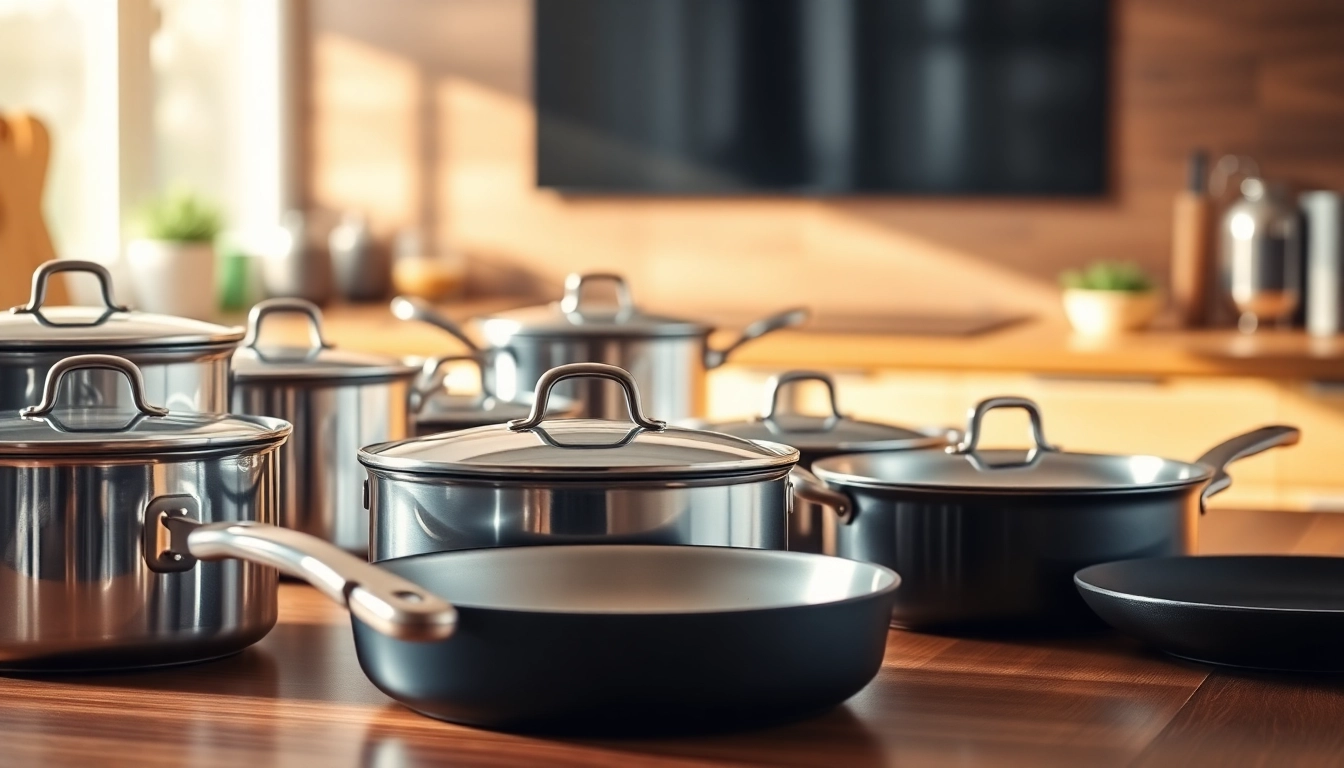
Stainless steel cookware is a popular choice for induction cooking due to its non-reactive nature and heat retention capabilities. Ideally, opt for high-quality, heavy-gauge models that offer guaranteed compatibility with induction surfaces.
Cast Iron Cookware
Known for exceptional heat retention, cast iron cookware is excellent for slow-cooking or searing. Its heavy build can be a downside in terms of handling, but once seasoned properly, it offers non-stick properties that improve with age.
Non-Stick Options
Non-stick cookware offers an easy-release surface ideal for low-fat cooking. Ensure that non-stick options specifically state their compatibility with induction, as the base must be magnetic to work effectively.
How to Choose the Best Cookware for Induction NZ
Assessing Your Cooking Needs
Before making a purchase, consider your cooking habits. Do you frequently prepare large meals, or do you typically cook for one? Assessing your cooking needs helps determine the type and quantity of cookware necessary to accommodate your lifestyle.
Reading Labels for Induction Compatibility
When shopping for cookware, ensure it is labeled as “induction-compatible.” Manufacturers often denote this with symbols and keywords. However, a simple test at home can also confirm compatibility – place a magnet on the base of your cookware. If it sticks, it’s induction-friendly.
Pricing and Value Considerations
Investing in quality cookware can have long-term benefits, including durability and enhanced cooking performance. While some brands can be costly, low and mid-range options can also provide excellent performance without breaking the bank. Look for sales and reviews to ensure you’re getting the best value.
FAQs About Induction Cookware
1. Can all pots and pans be used on induction?
No, only cookware made from magnetic materials like certain stainless steel, cast iron, and some enamel-coated pots can be used on induction cooktops.
2. What materials are best for induction cookware?
The best materials for induction cookware include magnetic stainless steel, cast iron, and carbon steel, as they effectively work with induction heating.
3. How do I maintain my induction cookware?
To maintain your induction cookware, avoid using metal utensils that could scratch the surface, and clean with non-abrasive sponges. For cast iron, ensure it’s properly seasoned.
4. When should I avoid using certain cookware on induction?
Avoid using cookware made from materials such as aluminum, glass, or ceramic since they do not work with induction cooktops unless specifically designed for it.
5. Are there specific brands known for induction cookware?
While many brands offer induction cookware, it’s best to focus on the materials and compatibility labels rather than brands, as quality can vary greatly.
For those seeking to outfit their kitchen with quality induction cooking tools, exploring options is vital. For a curated selection, you can check out best cookware for induction NZ.