
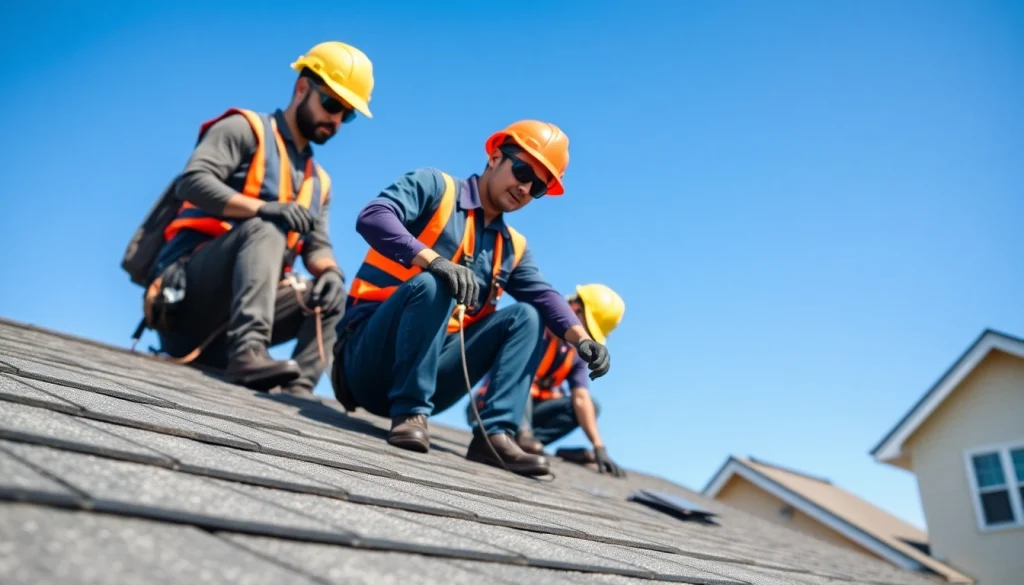
Understanding Professional Roofing Services
When it comes to safeguarding your home or commercial property, the roof is your first line of defense. The quality and durability of your roof significantly impact your overall property value and comfort. This is where Professional roofing services come into play. They not only ensure that your roof is properly installed and maintained but also provide vital support for various roofing-related issues.
What Are Professional Roofing Services?
Professional roofing services encompass all aspects of roof maintenance and repair. This includes installation, inspection, maintenance, and repair of different roof types. Qualified roofing contractors have the necessary training, experience, and tools to address any roofing concerns effectively. Their services can also extend to residential and commercial structures, providing tailored solutions according to the specific needs of the properties.
Key Benefits of Hiring Professionals
Hiring a professional roofing service comes with several advantages:
- Quality Workmanship: Professionals use high-quality materials and techniques, ensuring longevity and durability.
- Safety: Roofing can be dangerous; professionals are trained to handle risks associated with height and hazardous equipment.
- Comprehensive Services: They provide a full range of services, which means that you can get everything done by a single service provider.
- Warranties: Many roofing services offer warranties, giving you peace of mind and protection for your investment.
Common Roofing Services Offered
Some typical services offered by professional roofing companies include:
- Roof Installation: Installing new roofs with a variety of materials such as asphalt, metal, or tile.
- Roof Repair: Addressing leaks, storm damage, and wear and tear through prompt repairs.
- Maintenance Services: Regular inspections and maintenance to prevent future issues.
- Roof Replacement: Complete replacement of old or damaged roofs to restore building integrity.
Choosing the Right Roofing Company
Selecting the right roofing contractor can be challenging but crucial for the success of your roofing project. Here are some tips to ensure that you make an informed choice.
Factors to Consider When Selecting
Consider these important aspects when choosing a roofing company:
- Experience: Look for companies with a solid track record and extensive experience in the roofing industry.
- Credentials: Verify their licenses, insurance, and certifications to ensure they are qualified.
- Specialization: Some companies specialize in certain types of roofing or materials; choose one that fits your needs.
- Local Reputation: Research community feedback and ratings. Good standing with local Better Business Bureau ratings can also be a positive indicator.
Questions to Ask Potential Contractors
Don’t hesitate to interview potential contractors. Here are essential questions to ask:
- What type of warranty do you offer for your services?
- Can you provide references from previous clients?
- What materials do you recommend and why?
- How do you handle unforeseen complications during a project?
- Can you provide a detailed written estimate?
Evaluating Customer Reviews
Customer reviews are a reflection of a company’s competency and reliability. Look for:
- Positive Feedback: High ratings and accolades in various review platforms.
- Response to Complaints: How the contractor responds to negative reviews illustrates their commitment to customer satisfaction.
- Detailed Experiences: Read reviews that discuss specific aspects of their services.
Types of Roofing Materials Used
The materials chosen for roofing have a significant impact on performance, appearance, and cost. Below, we explore popular options for residential roofing.
Popular Options for Residential Roofing
Some of the most commonly used materials include:
- Asphalt Shingles: Affordable and available in various colors, they are the most widely used roofing material.
- Metal Roofing: Known for their durability and energy efficiency, metal roofs are a popular choice among homeowners.
- Tile Roofing: Tiles offer a distinctive look and high durability but tend to be heavier and more expensive.
- Wood Shakes: Providing a natural aesthetic, wood shakes require regular maintenance to prevent decay.
Pros and Cons of Each Material
Understanding the advantages and challenges of each material helps in making an informed decision:
Asphalt Shingles
- Pros: Cost-effective, easy to install, and available in many styles.
- Cons: Shorter lifespan compared to other materials, susceptible to wind damage.
Metal Roofing
- Pros: Longevity, energy-efficient, and environmentally friendly.
- Cons: Higher initial cost and potential for noise during rain or hail.
Tile Roofing
- Pros: Long-lasting, fire-resistant, and energy-efficient.
- Cons: Expensive and can be heavy, requiring structural support.
Wood Shakes
- Pros: Beautiful aesthetic; provides good insulation.
- Cons: Requires more maintenance to avoid rot and insect damage.
Environmental Considerations
When selecting roofing materials, consider their environmental impact. To be eco-friendly, choose:
- Recyclable Materials: Metal, for example, is highly recyclable.
- Energy-Efficient Options: Look for materials that provide superior insulation, reducing energy needs.
- Locally Sourced Materials: Support local economies and lower transport-related emissions.
Cost Factors Involved in Roofing Services
The costs associated with roofing services can vary widely depending on multiple factors. Understanding these can help you budget effectively.
Understanding Price Breakdown
Several elements determine the overall cost of roofing services:
- Materials: The type of roofing material selected will greatly affect the total cost.
- Labor: Labor costs can vary based on location, contractor expertise, and project complexity.
- Slope and Size of Roof: Larger or more complex roofs will require more materials and labor.
- Permits and Inspections: Local laws may require permits, included in the cost.
How to Budget for Your Roofing Project
Creating a budget involves more than just selecting materials. Follow these steps:
- Get multiple quotes from different contractors to compare.
- Account for unforeseen expenses, typically around 10-20% of your total budget.
- Research the longevity and maintenance needs of different roofing materials to forecast long-term costs.
Insurance and Financing Options
Various financing options are available for roofing projects, including:
- Home Equity Loans: Use your home’s equity to finance the roof replacement.
- Personal Loans: Consider unsecured loans as an option.
- Insurance Claims: If roof damage results from unforeseen events, check your insurance policy to determine if your claim can cover repair costs.
Maintaining Your Roof After Installation
After your new roof installation, maintenance is key to ensuring its longevity and effectiveness. Here are some tips for proper upkeep.
Routine Maintenance Tips
Regular maintenance tasks include:
- Inspecting the roof periodically for signs of wear or damage.
- Cleaning gutters and downspouts to prevent water buildup.
- Removing debris from the roof surface, including branches and leaves.
- Checking for mold or algae and addressing it promptly.
Signs Your Roof Needs Repair
If you notice any of these signs, contact a professional roofing service:
- Curled, missing, or broken shingles.
- Leaks and water stains on ceilings.
- Excessive granule loss on shingles.
- Visible sagging areas or structural damage.
Long-Term Care Strategies
For maximizing your roof’s lifespan, consider these strategies:
- Schedule periodic professional inspections.
- Invest in quality materials and installations upfront.
- Maintain trees and shrubbery around your home to prevent damage.
FAQs on Professional Roofing Services
What should I ask before hiring?
Inquire about the contractor’s license, insurance, experience, warranties, materials used, and timeline for project completion.
How long do roofing services take?
Typically, a roof installation or replacement takes 1-3 days depending on the roof size and type of materials used.
Are there warranties on roofing services?
Yes, many contractors offer warranties on both materials and craftsmanship. Be sure to ask for details.
What factors influence roofing costs?
Costs are influenced by material type, roof size, complexity, geographical location, and labor rates.
Is maintenance necessary for my roof?
Yes, regular maintenance helps prolong the roof’s lifespan by identifying potential issues early and keeping it in good condition.