The Importance of Home Appliances in Modern Living
In today’s fast-paced world, home appliances play an integral role in enhancing the quality of life. From cooking meals to cleaning our homes, these essential devices save us time and energy, allowing us to focus on what truly matters. With advances in technology, the functionality of home appliances has drastically improved, making them smarter, more energy-efficient, and easier to use than ever before. Understanding the significance of these appliances is the first step towards optimizing your living space.
Defining Home Appliances
Home appliances are categorized into two main groups: major appliances and small appliances. Major appliances typically include devices that are large and foundational to a household, such as refrigerators, washers, and ovens. Conversely, small appliances encompass tools that facilitate daily tasks, including blenders, coffee makers, and microwaves. These appliances are designed to automate processes, making household chores more manageable and efficient.
Benefits of Smart Home Appliances
With the integration of smart technology, home appliances have evolved to provide added convenience and enhanced functionality. Smart appliances can be controlled remotely through mobile apps, which allows homeowners to monitor usage and receive alerts for maintenance needs. This connectivity not only improves energy efficiency but also helps in creating a more seamless home experience. For example, smart refrigerators can track inventory and suggest recipes based on available ingredients, while smart ovens can be preheated from your smartphone.
Choosing the Right Home Appliances
Selecting the right home appliances involves a careful evaluation of various factors. Consider your lifestyle needs, cooking habits, and available household space. Additionally, energy efficiency should be a priority, as sustainable choices can lead to significant long-term savings on utility bills. When shopping for home appliances, it’s beneficial to read reviews, compare features, and understand warranty options, enabling you to make informed decisions that suit your home.
Types of Home Appliances You Need
Major Home Appliances: Overview
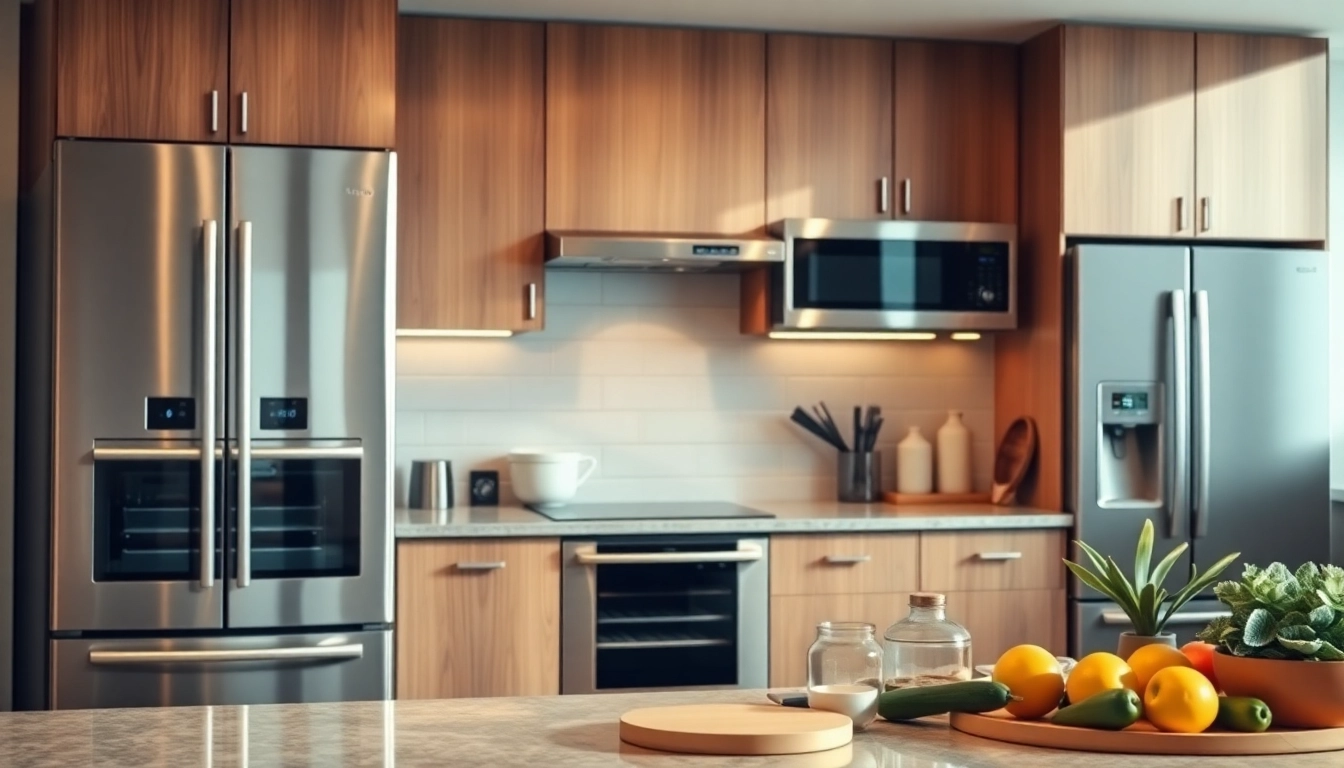
Major home appliances are essential investments that provide lasting benefits to any household. Common examples include:
- Refrigerators: Vital for food preservation, modern refrigerators come with features like water dispensers and adjustable shelving.
- Washing Machines: These appliances simplify the laundry process, with options for both top-loading and front-loading models.
- Dishwashers: A time-saving solution for cleaning dishes, dishwashers are designed for efficiency and hygiene.
- Ovens and Cooktops: From range ovens to induction cooktops, these appliances represent the heart of meal preparation.
Small Home Appliances for Everyday Use
Small home appliances enhance everyday living by making routine tasks easier and quicker. Key categories include:
- Kitchen Appliances: Blenders, food processors, and slow cookers are staples that facilitate meal prep and cooking.
- Personal Care Appliances: Items like hair dryers and electric shavers are designed to assist in personal grooming.
- Cleaning Appliances: Vacuum cleaners and steam mops help in maintaining cleanliness throughout the home.
- Heating and Cooling Appliances: Portable heaters and fans provide climate control for specific rooms or spaces.
Energy-Efficient Home Appliances Options
Energy-efficient home appliances are designed to minimize power consumption while maximizing performance. Options include:
- Energy Star Rated Appliances: Look for appliances with the Energy Star label, which indicates compliance with high energy efficiency standards.
- High-Efficiency Washers: These use less water and energy compared to traditional models, significantly reducing utility costs.
- LED Lighting: Replacing incandescent bulbs with LED fixtures in appliances can provide greater illumination with less energy use.
- Smart Thermostats: These devices can learn your routine to optimize heating and cooling, helping save on energy bills.
How to Maintain Home Appliances for Longevity
Regular Cleaning and Upkeep Tips
Proper maintenance is crucial to extending the life of your home appliances. Here are essential upkeep strategies:
- Regular Cleaning: Remove dust and debris from appliance surfaces, especially from behind and underneath major appliances like refrigerators.
- Replace Filters: Many appliances, such as HVAC units and refrigerators, require filter replacements periodically to maintain efficiency.
- Check Seal Integrity: Inspect the door seals on ovens and refrigerators for leaks, which can lead to greater energy consumption.
- Calibrate Settings: Adjust the settings on your appliances to suit your needs and optimize performance according to the manufacturers' guidelines.
Common Troubleshooting Techniques
Even well-maintained appliances may encounter issues. Here are some common troubleshooting techniques:
- Check Power Supply: Ensure that appliances are plugged in and that circuit breakers haven't tripped.
- Consult the Manual: User manuals frequently contain troubleshooting sections for common problems.
- Reset Appliances: Many appliances can be reset to factory settings, which can resolve minor glitches.
- Look for Error Codes: Digital appliances often display error codes that can guide you in diagnosing the issue.
When to Call a Professional
While some appliance issues can be addressed on your own, there are times when professional assistance is necessary:
- Major Leaks or Damage: If you see substantial leaks or damage, call a professional to prevent further complications.
- Electrical Issues: For any appliance involving electricity, it’s best to consult a technician if you experience power irregularities.
- Persistent Problems: If troubleshooting fails to resolve an issue, a technician’s expertise may be required.
- Outdated Models: When dealing with older appliances, professional servicing might be necessary to ensure safety and functionality.
Installing Home Appliances: A Step-by-Step Guide
Preparation for Installation
Installation of home appliances requires careful planning to ensure safety and functionality. Begin by preparing the following:
- Read User Manuals: Familiarize yourself with the installation process specific to each appliance model.
- Gather Required Tools: Ensure you have the necessary tools, such as screwdrivers, pliers, and wrenches.
- Assess Space: Measure the area where the appliance will be installed to confirm fit and accessibility.
- Check Utility Connections: Verify that plumbing, gas, and electrical connections are in place, if applicable.
Basic Installation Processes
The installation process may vary depending on the type of appliance. However, general steps include:
- Positioning the Appliance: Carefully move the appliance to its designated spot, avoiding physical strain and damage.
- Connect Utilities: Follow instructions to connect water hoses, gas lines, or power cords as needed.
- Level the Appliance: Use a level to ensure the appliance is properly aligned, adjusting feet as necessary.
- Test Functionality: After installation, run a test cycle or use the appliance to verify it's functioning correctly.
Safety Precautions to Consider
Prioritizing safety during installation can prevent accidents or damage. Key precautions include:
- Wear Personal Protective Equipment: Use appropriate gear such as gloves or safety goggles when handling heavy appliances.
- Turn Off Utilities: Always shut off electrical circuits or gas sources before installation to avoid accidents.
- Follow Guidelines: Abide by all manufacturer guidelines and local codes to ensure compliance and safety.
- Seek Professional Help: When in doubt, hiring a professional installer can eliminate risks associated with improper installation.
Future Trends in Home Appliances
Smart Technology Integration
As technology continues to advance, the integration of smart features in home appliances is becoming the norm rather than the exception. This trend allows for enhanced connectivity, automation, and control. Appliances equipped with IoT (Internet of Things) capabilities enable users to manage devices from their smartphones or through voice commands. This shift not only improves efficiency but also leads to smarter energy usage.
Eco-Friendly Innovations
Eco-conscious consumers are driving the demand for eco-friendly appliances. Innovations in design and functionality focus on reducing environmental impact. Manufacturers are creating products that utilize sustainable materials and incorporate energy-saving technologies. As more people prioritize sustainability, we can expect an increased variety of these eco-friendly options in the market.
User-Centric Designs
Design aesthetics and practicality are crucial in home appliance innovation. Companies are leaning towards user-centric designs that not only look good but also enhance usability. Features like intuitive interfaces, customizable settings, and space-saving designs are becoming increasingly popular. This trend ensures that appliances meet the demands of modern living, catering to a diverse population with varying needs.
FAQs
What are home appliances?
Home appliances are electrical devices that assist in household functions such as cooking, cleaning, and food preservation.
How can I choose the right home appliances?
Consider factors like your cooking habits, space, energy efficiency, and budget when selecting home appliances.
Are energy-efficient home appliances worth the investment?
Yes, they can reduce utility bills in the long term while benefiting the environment.
How often should home appliances be serviced?
Regularly, typically once a year, especially for major appliances like refrigerators and ovens.
What future trends should I look for in home appliances?
Look for smart features, eco-friendly materials, and user-friendly designs in upcoming home appliances.