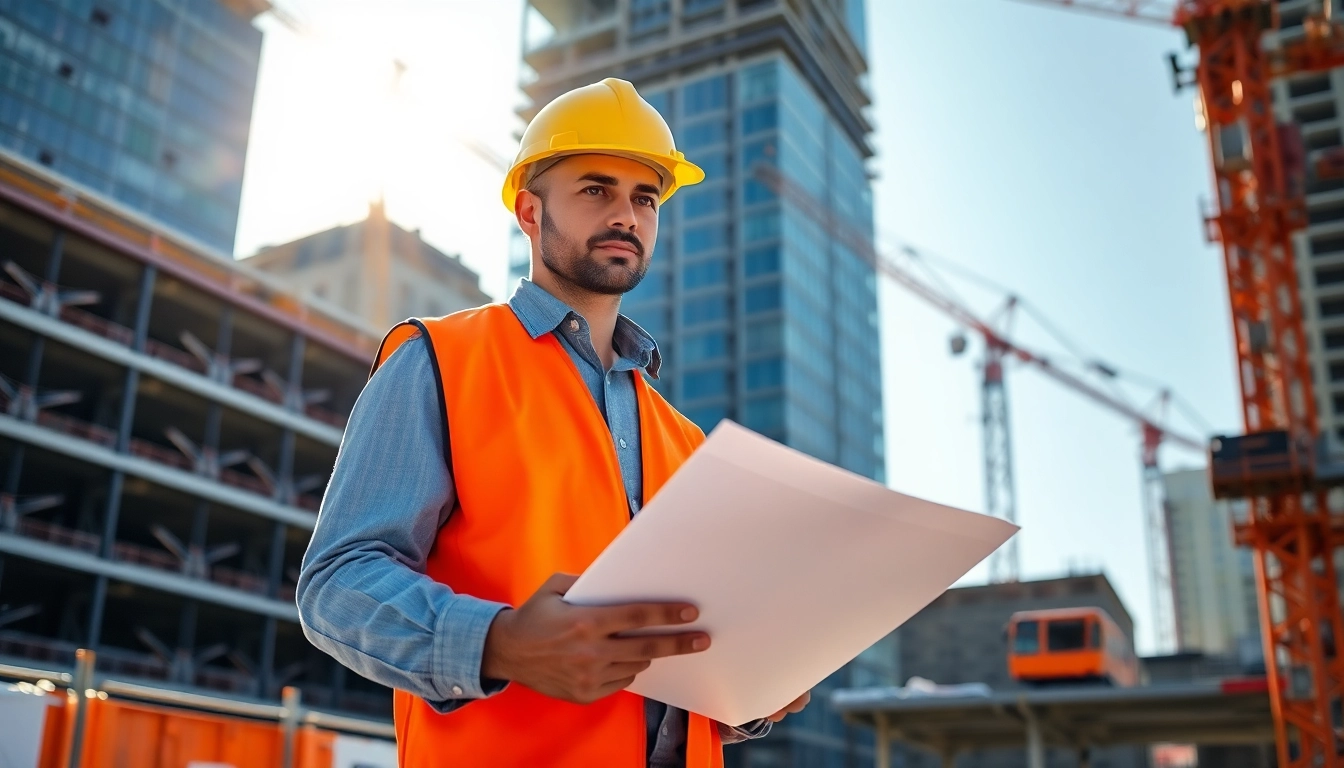
Understanding the Role of Manhattan Construction Manager
The role of a Manhattan Construction Manager is multifaceted, playing a crucial part in the successful execution of construction projects in one of the most dynamic urban environments in the world. This position entails numerous responsibilities, ensuring that every aspect of a construction project runs smoothly and efficiently. A Manhattan Construction Manager must possess a blend of technical knowledge, leadership skills, and an in-depth understanding of the local construction landscape.
Key Responsibilities and Skillsets
At the core of the Manhattan Construction Manager’s duties are several key responsibilities. These typically include:
- Project Planning: Developing detailed project plans, including scope, timeline, and budget.
- Resource Management: Coordinating labor, materials, and equipment required for construction.
- Quality Control: Ensuring that all work meets specified standards and regulations.
- Communication: Maintaining clear communication between clients, contractors, and other stakeholders.
- Problem Solving: Addressing issues as they arise and devising effective solutions.
These responsibilities require a variety of skills, such as:
- Strong leadership and team management capabilities.
- Excellent negotiation and conflict-resolution skills.
- In-depth knowledge of building codes, safety regulations, and industry standards.
- Proficiency in project management software and tools.
Comparison with Other Construction Roles
In the construction industry, various roles contribute to project success. While a foreman oversees on-site workers, and subcontractors focus on specific trades, a Manhattan Construction Manager coordinates these efforts at a higher level. Unlike other roles, the manager possesses a bird's-eye view of the project, aligning all parts of the construction process to achieve the final goal efficiently. This comprehensive understanding is what differentiates a construction manager from other positions, allowing them to adapt and respond to challenges that may arise in real-time.
Impact on Project Outcomes
The effectiveness of a Manhattan Construction Manager directly impacts project outcomes. Their ability to manage timelines, budgets, and resources can mean the difference between a project's success and failure. By fostering solid relationships with contractors and stakeholders, they can streamline communication and avoid misunderstandings that might lead to delays. Furthermore, a proactive approach to risk management enables them to anticipate potential issues before they escalate, ensuring that projects are completed on time and within budget.
Essential Skills for a Manhattan Construction Manager
Success as a Manhattan Construction Manager hinges on a diverse skill set that encompasses both technical and interpersonal abilities. Here’s a closer look at these essential skills.
Technical Proficiency in Construction Practices
A strong foundation in technical aspects of construction is paramount. This includes understanding architectural and engineering plans, construction methods, and material specifications. With a firm grasp of these areas, a Manhattan Construction Manager can make informed decisions that enhance efficiency and safety on-site. Compliance with local codes and regulations is also critical, as failure to adhere can lead to costly delays and legal challenges.
Leadership and Team Coordination
Leadership is at the heart of effective project management. A Manhattan Construction Manager must motivate and direct teams, fostering collaboration among various stakeholders. This role involves not only assigning tasks but also empowering team members by recognizing their strengths and providing opportunities for growth. By cultivating a productive team environment, the manager can optimize performance and drive project success.
Communication Skills for Stakeholder Engagement
Effective communication is essential in construction management. A Manhattan Construction Manager must liaise with numerous parties, including clients, contractors, architects, and regulatory authorities. This requires clarity in both written and verbal communication, ensuring that all stakeholders remain informed and aligned throughout the project lifecycle. Active listening skills also play a crucial role, allowing the manager to understand concerns and respond appropriately.
Challenges Faced by Manhattan Construction Managers
Despite possessing a robust skill set, Manhattan Construction Managers often encounter several challenges that can impact project delivery.
Managing Budget Constraints
Budget management is one of the most significant challenges a construction manager faces. Projects often experience unexpected expenses due to fluctuations in material costs, labor rates, or regulatory changes. As a result, the manager must implement rigorous financial oversight, regularly monitoring expenditures and adjusting project plans as needed to stay within budget.
Adapting to Regulatory Changes
The construction industry is subject to a myriad of regulations, many of which can change unexpectedly. A Manhattan Construction Manager must stay informed about local laws and regulations, adapting project plans accordingly. This requires ongoing education and professional development to ensure compliance while also maintaining project momentum.
Dealing with Project Delays
Delays can arise from various factors, including bad weather, labor shortages, or supply chain disruptions. A Manhattan Construction Manager needs to be adept at crisis management, developing contingency plans that can be implemented quickly to minimize downtime. This often involves re-routing resources, adjusting timelines, and maintaining open lines of communication with all stakeholders.
Best Practices for Effective Project Management
To navigate the complexities of construction management, the following best practices are essential.
Implementation of Technology in Construction
Technology plays a vital role in modern construction management. Tools such as Building Information Modeling (BIM), project management software, and mobile applications can improve efficiency and collaboration. A Manhattan Construction Manager should embrace these technologies to facilitate real-time communication and streamline workflows, thus enhancing overall productivity.
Prioritizing Safety on Job Sites
Safety must always be a top priority. A proactive approach involves conducting regular safety training, implementing strict protocols, and fostering a safety-first culture on-site. By prioritizing safety, a Manhattan Construction Manager can not only protect the workforce but also mitigate delays and additional costs associated with accidents and injuries.
Streamlining Communication Among Teams
To ensure project success, fostering effective communication among all team members is critical. Regular meetings, progress updates, and utilizing collaboration tools can help keep everyone informed and engaged. A Manhattan Construction Manager must facilitate this communication, ensuring messages are conveyed clearly and that input from all stakeholders is valued and considered.
Future Trends for Manhattan Construction Managers
As the construction landscape continues to evolve, so too must the strategies employed by Manhattan Construction Managers. Staying ahead of emerging trends will ensure ongoing success.
Emerging Technologies and Their Impact
New technologies are continuously shaping the construction industry. Innovations such as drones, augmented reality, and artificial intelligence are enhancing project planning, execution, and oversight. A Manhattan Construction Manager should remain abreast of these developments, assessing how they can be integrated into existing processes for increased efficiency and reduced costs.
Sustainability Practices in Construction
With rising concerns about environmental impact, sustainable construction practices are becoming increasingly important. This involves integrating eco-friendly materials, energy-efficient designs, and waste reduction strategies into projects. A Manhattan Construction Manager must advocate for and implement these practices, responding to growing demand for sustainability in the construction sector.
The Evolving Landscape of Construction Management
As the industry evolves, so too will the role of the Manhattan Construction Manager. This will involve adapting to new methods, approaches, and mindsets that cater to the demands of modern construction projects. Continuous learning and an openness to change will be vital for navigating this dynamic landscape successfully.