The Role of a Manhattan General Contractor
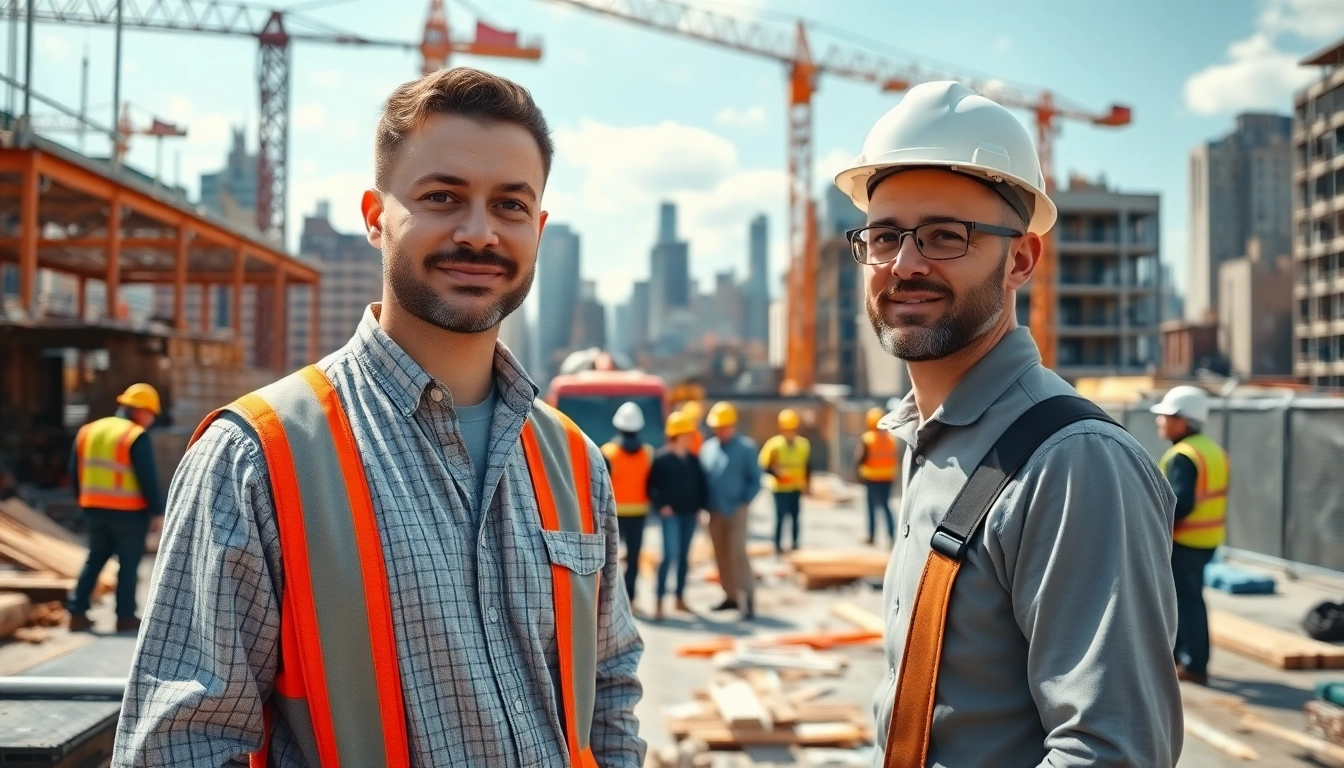
General contractors play a crucial role in the construction industry, particularly in a vibrant and complex environment like Manhattan. They serve as the backbone of construction projects, ensuring that the process runs smoothly from inception to completion. A skilled Manhattan General Contractor not only possesses practical experience but also an in-depth understanding of local regulations, construction dynamics, and stakeholder management.
Defining Responsibilities
The responsibilities of a Manhattan General Contractor extend far beyond simply managing a crew on-site. They include:
- Project Management: Coordinating the entire construction process, including scheduling, budgeting, and resource allocation.
- Team Oversight: Managing subcontractors, laborers, and suppliers, ensuring all parties work cohesively to meet deadlines.
- Quality Control: Ensuring all work meets the required standards and specifications, preventing costly reworks.
- Compliance Monitoring: Staying up-to-date with local building codes and regulations to avoid any legal repercussions.
By fulfilling these responsibilities efficiently, a general contractor ensures that projects are not only delivered on time but also within budget and to the highest quality standards.
Key Skills for Success
Success as a Manhattan General Contractor requires a unique blend of skills:
- Communication: Effectiveness in conveying ideas, updates, and concerns to team members and clients is vital.
- Problem-Solving: The ability to quickly address and resolve issues as they arise on-site ensures project continuity.
- Negotiation: Skills in negotiating with suppliers and contractors can lead to better pricing and contract terms.
- Technical Knowledge: An understanding of construction processes, materials, and tools is critical for overseeing quality and safety.
Challenges Faced
Working as a general contractor in Manhattan is not without its challenges:
- Regulatory Navigation: Complying with an array of stringent building codes and regulations can be daunting.
- Cost Management: The high cost of materials and labor can strain budgets, requiring astute financial management.
- Labor Shortages: Finding and retaining skilled labor in a competitive job market can impact project timelines.
- Urban Constraints: Navigating tight city spaces and logistical challenges adds complexity to planning and execution.
Understanding these challenges and developing strategies to mitigate them is essential for a successful project outcome.
Understanding Construction Regulations in Manhattan
One of the most critical aspects of being a competent general contractor in Manhattan is understanding the local construction regulations. This knowledge is vital to ensure that every aspect of building complies with city laws.
Local Building Codes
Manhattan has specific building codes that dictate construction practices. These codes cover everything from structural integrity to fire safety. Familiarity with these codes helps contractors avoid violations that could result in costly fines or project delays.
Permits and Licensing
Before any construction can begin, various permits must be obtained, including:
- Building Permits: Required for new structures, major renovations, or changes to load-bearing walls.
- Plumbing Permits: Necessary for any plumbing installations or modifications.
- Electrical Permits: Required for any electrical work to ensure safety and compliance with local codes.
Not securing these permits can halt progress and lead to legal complications, highlighting the importance of regulatory adherence.
Health and Safety Standards
Health and safety standards are critical to protect workers and the public. Contractors must implement safety plans that comply with OSHA regulations, which include:
- Site Safety Plans: Outlining measures for hazard identification and mitigation.
- Employee Training: Ensuring all workers are trained in safety practices and emergency responses.
Recognizing the importance of a safe work environment not only protects the workforce but also fosters a positive reputation for the contractor.
Selecting the Right Materials
The selection of materials can significantly impact the quality and cost of construction projects. A competent general contractor must consider various factors when making material choices.
Sustainable Options
As environmental concerns become more prominent, sustainable building materials are gaining traction. Options like recycled steel, reclaimed wood, and low-VOC paints are popular for their reduced environmental impact.
Cost-Effective Choices
Balancing quality and cost is essential. Materials must not only be affordable but also durable. Understanding long-term costs, including maintenance and energy efficiency, helps contractors make informed decisions.
Supply Chain Considerations
The availability of materials can affect project timelines. Contractors should establish relationships with reliable suppliers to ensure timely delivery and avoid disruptions. Inventory management strategies are crucial to prevent shortages that can lead to delays.
Effective Project Management Strategies
Effective project management is essential for overseeing construction projects in Manhattan. It encompasses various strategies to enhance efficiency and ensure completion within budget and timeline constraints.
Planning and Scheduling
A comprehensive project plan is the foundation of successful project management. This includes:
- Project Timelines: Developing Gantt charts or similar tools to visualize the project schedule.
- Milestones: Establishing key milestones to track progress and address potential delays proactively.
Flexibility in scheduling can also help accommodate unforeseen delays, allowing for swift adjustments as necessary.
Budget Management
Effective budget management involves tracking expenses against projected costs. Regularly updating budgets based on actual spending allows contractors to make informed financial decisions and adjust project scopes as needed.
Communication with Stakeholders
Regular communication with all stakeholders is essential to ensure everyone is aligned on project goals and progress. This can include:
- Regular Updates: Providing stakeholders with consistent progress reports.
- Feedback Loops: Establishing channels for receiving and addressing feedback promptly.
Strong communication fosters a collaborative environment that often leads to better project outcomes.
Future Trends for Manhattan General Contractors
The construction landscape is continuously evolving, and staying informed about future trends is crucial for general contractors aiming to remain competitive and innovative.
Technological Innovations
Technological advancements, such as Building Information Modeling (BIM) and drones, are transforming the construction process. BIM allows contractors to create 3D models that enhance project efficiency, while drones provide aerial views for site surveys and monitoring progress.
Green Building Practices
There is a growing demand for green building practices, driven by both consumer preference and regulatory pressures. Contractors are increasingly utilizing energy-efficient systems and sustainable resources to meet these needs, often achieving LEED certification for projects.
Market Demand Insights
Understanding market demand will guide contractors in making strategic decisions regarding the types of projects to pursue. Keeping an eye on trends, such as increasing urbanization and housing shortages, can lead to opportunities in residential and commercial developments.
FAQs
What does a Manhattan General Contractor do?
A Manhattan General Contractor oversees construction projects, managing teams, scheduling, and resources while ensuring compliance with regulations.
How do I choose a General Contractor in Manhattan?
Research online reviews, ask for recommendations, check licenses, and evaluate previous work to choose a reliable Manhattan General Contractor.
What permits are required for construction in Manhattan?
Depending on the project, necessary permits may include building permits, plumbing permits, and electrical permits as per city regulations.
Are there sustainable materials I can choose?
Yes, options include recycled steel, bamboo, and eco-friendly insulation, which are increasingly preferred by environmentally-conscious contractors.
What are the common challenges for Manhattan General Contractors?
Challenges include navigating complex regulations, high construction costs, labor shortages, and maintaining timelines amidst urban congestion.