
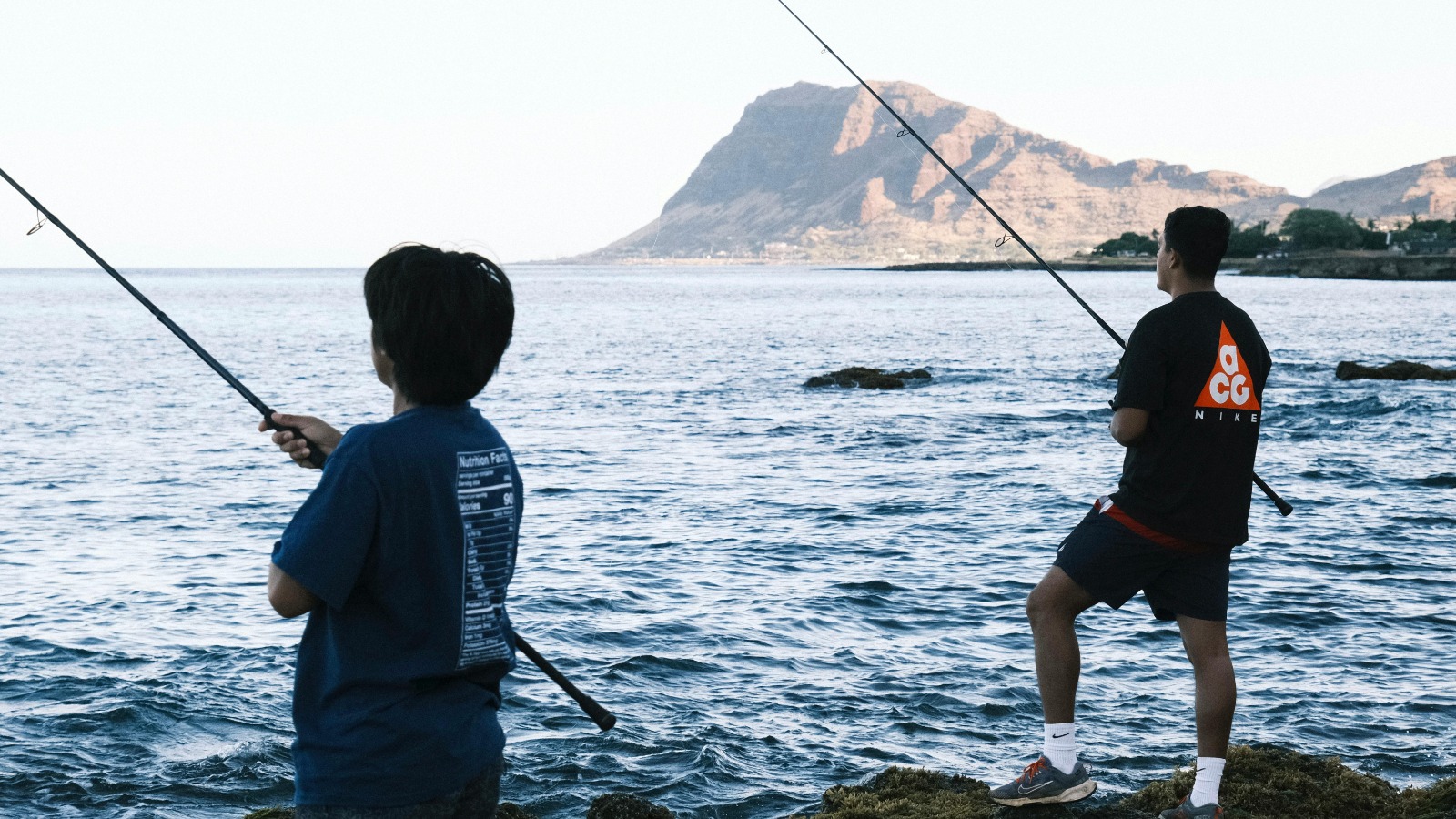
When it comes to fly fishing, having the right equipment can make all the difference. Among the essential tools in an angler’s arsenal is the Fly fishing net, a critical accessory that ensures a successful and responsible catch-and-release experience. Choosing the perfect net is not just about aesthetics; it involves understanding the materials, design, and functionality that best suit your fishing style. In this comprehensive guide, we’ll explore everything you need to know to find a fly fishing net that enhances both your efficiency and enjoyment on the water.
Understanding the Importance of a Fly Fishing Net
A fly fishing net is more than a tool to scoop fish out of the water. Its design and material significantly impact the health of the fish, ease of handling, and overall angling experience. Proper use of a high-quality net reduces stress on the fish, minimizes injury, and allows for a more ethical and sustainable approach to fly fishing.
Protecting the Fish
Nets designed for catch-and-release fly fishing often feature soft, knotless mesh that prevents damage to the fish’s scales and slime coat. Avoiding rough materials helps ensure that fish survive after being released, which is crucial for maintaining healthy fish populations in rivers and streams.
Enhancing Angler Efficiency
A well-designed net makes landing fish quicker and safer, reducing the chance of lost catches. Ergonomic handles, compact designs, and buoyant frames allow anglers to maneuver effectively in various water conditions. By selecting the right net, you can streamline your fishing process, saving time and energy while improving your overall experience.
Key Features to Look For in a Fly Fishing Net
Not all fly fishing nets are created equal. Understanding the different features will help you choose one that matches your fishing environment, target species, and personal preferences.
Frame Material
The frame of a fly fishing net can be made from wood, aluminum, or composite materials.
- Wood Frames: Traditional and aesthetically pleasing, wooden nets are durable and lightweight. They offer a natural feel and are ideal for anglers who appreciate classic designs.
- Aluminum Frames: Lightweight and resistant to corrosion, aluminum frames are perfect for anglers fishing in saltwater or harsh conditions.
- Composite Frames: Made from a combination of materials, composite frames provide excellent strength and flexibility, suitable for both freshwater and saltwater fishing.
Net Material
The material of the netting itself plays a critical role in fish safety and ease of use. Common options include rubber, nylon, and silicone-coated meshes.
- Rubber Nets: Gentle on fish and resistant to tangling, rubber nets are popular among catch-and-release enthusiasts.
- Nylon Nets: Lightweight and cost-effective, nylon nets are widely available but may harm delicate fish if not handled carefully.
- Silicone-Coated Nets: These provide the best balance between fish safety and durability, minimizing damage to the fish’s slime coat.
Net Size and Shape
Selecting the appropriate size depends on the type of fish you target and the water conditions. Longer nets with deep pockets are suitable for larger fish, while compact nets with shallow pockets are ideal for smaller fish and tight spaces. Oval or teardrop-shaped nets generally offer better control and maneuverability.
Choosing a Fly Fishing Net for Different Environments
Different fishing environments require specialized nets to maximize efficiency and convenience.
Freshwater Rivers and Streams
For freshwater fishing in rivers and streams, lightweight nets with compact frames are ideal. Anglers often prefer nets that are easy to carry and can be clipped to a vest or belt for quick access. Rubber or silicone-coated nets are recommended to protect delicate freshwater species such as trout or grayling.
Lakes and Ponds
When fishing in still waters, longer-handled nets may be advantageous to reach fish that are farther away. Deeper nets can accommodate larger freshwater species like bass or pike, reducing the risk of losing a catch during the landing process.
Saltwater Environments
Saltwater fly fishing requires nets that resist corrosion and can withstand exposure to harsh elements. Aluminum or composite frames paired with rubber or silicone-coated nets provide durability while remaining gentle on fish. Nets designed for saltwater use often feature larger openings and longer handles for handling bigger species such as tarpon, snook, or redfish.
Additional Considerations for Selecting the Right Fly Fishing Net
Beyond material and size, several other factors can enhance your fly fishing experience.
Portability and Storage
If you travel frequently or hike to remote fishing spots, a collapsible or compact net may be ideal. Many modern fly fishing nets offer telescopic handles or foldable frames that make storage and transportation convenient without sacrificing functionality.
Handle Design and Grip
Ergonomic handles reduce hand fatigue during long fishing trips. Materials like cork or textured rubber provide a comfortable grip, even when wet. Some nets also feature floating handles, ensuring they won’t sink if accidentally dropped in water.
Mounting Options
Consider how you will carry and access your net during fishing. Many nets come with retractable lanyards, belt clips, or magnetic mounts that keep the net within reach while allowing for hands-free movement. This can be especially useful when navigating rough terrain or fast-flowing water.
Expert Tips for Maintaining Your Fly Fishing Net
Proper care extends the life of your fly fishing net and ensures it continues to perform optimally.
Cleaning and Drying
After each fishing trip, rinse your net thoroughly with fresh water to remove dirt, debris, and any salt residues. Allow it to air dry completely before storing to prevent mold and corrosion.
Regular Inspections
Check the net frame and mesh for signs of wear or damage. Repair small holes promptly to avoid losing fish or further damaging the net. Tighten any loose screws or fittings to maintain structural integrity.
Storage
Store your net in a cool, dry place away from direct sunlight to prevent UV damage. Hanging the net or keeping it in a dedicated storage bag can help preserve its shape and longevity.
Conclusion
Selecting the perfect fly fishing net is an essential step for any angler seeking both efficiency and responsibility on the water. By considering factors such as frame and net material, size, shape, and environmental suitability, you can find a net that not only enhances your fishing experience but also protects the fish you catch. Remember, investing in a high-quality fly fishing net is an investment in sustainable angling practices and more enjoyable adventures. Equip yourself with the right net, and your next fly fishing trip will be safer, smoother, and far more rewarding.