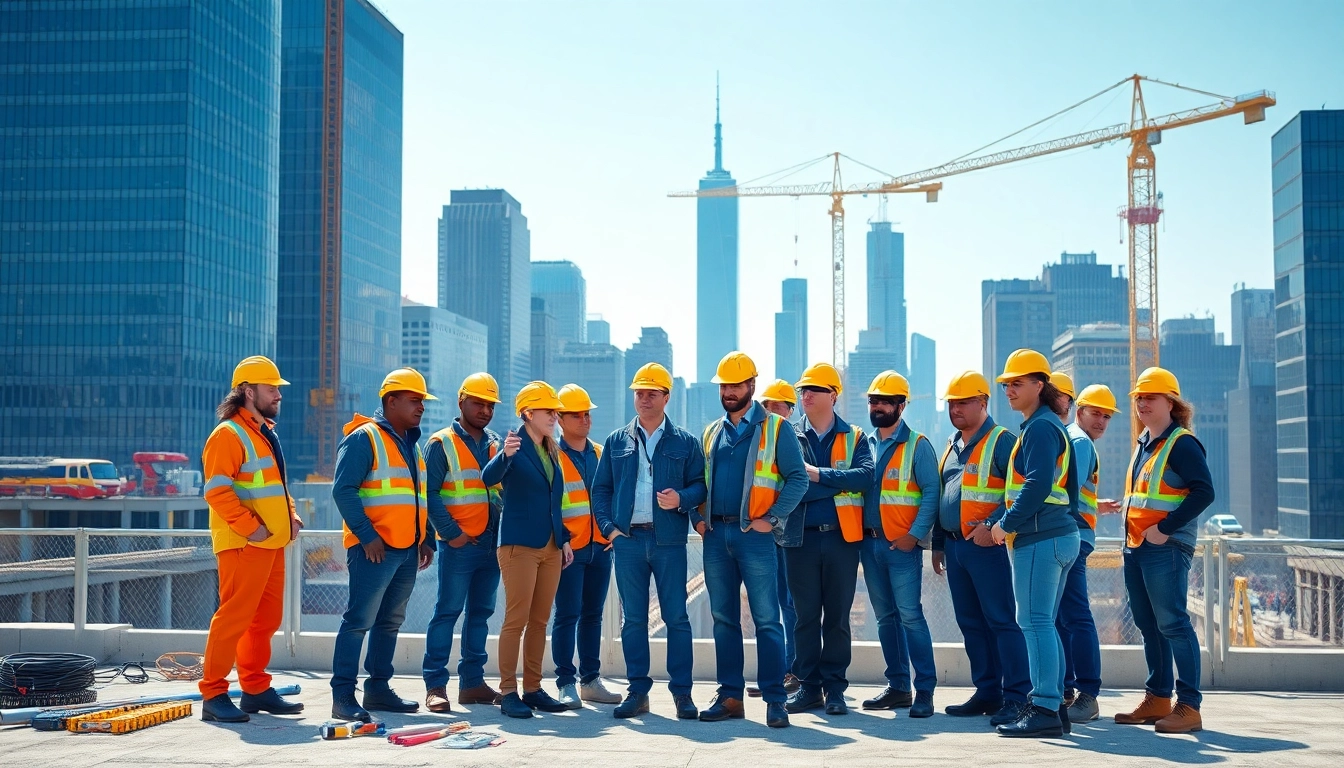
Understanding the Role of a New York City Commercial General Contractor
In the bustling metropolis of New York City, where construction projects range from towering skyscrapers to innovative office spaces, the role of a New York City Commercial General Contractor is pivotal. These contractors serve as the backbone of the construction process, bringing projects from conception to completion with expertise and reliability. In this comprehensive guide, we explore what commercial general contractors do, their responsibilities, the significance of local expertise, and the essential factors to consider when hiring one for your project.
What is a Commercial General Contractor?
A commercial general contractor (CGC) is a licensed professional responsible for overseeing the construction, renovation, and maintenance of commercial properties. Unlike residential contractors who focus on homes, commercial contractors specialize in larger projects such as office buildings, retail spaces, healthcare facilities, and institutional structures. They manage the entire construction process, coordinating with subcontractors, suppliers, and clients to ensure timelines and budgets are met effectively.
Key Responsibilities of a New York City Commercial General Contractor
The responsibilities of a New York City commercial general contractor encompass a wide range of tasks, including:
- Project Management: CGCs oversee all phases of a construction project, ensuring that it runs smoothly from start to finish. This includes planning, scheduling, and coordinating all activities.
- Budgeting and Financial Management: They prepare cost estimates, manage financial budgets, and keep a close eye on expenses throughout the project lifecycle to avoid cost overruns.
- Quality Control: Maintaining high standards of quality for materials and workmanship is crucial. Commercial contractors implement quality assurance protocols to ensure that each aspect of the project meets the required specifications.
- Regulatory Compliance: Navigating the maze of building codes, permits, and regulations in New York City is a complex task. CGCs ensure that all legal and safety requirements are met.
- Subcontractor Coordination: They select, hire, and supervise subcontractors like electricians, plumbers, and architects, ensuring that all teams collaborate effectively.
Importance of Local Expertise in New York City
Engaging a contractor who is familiar with the unique challenges of New York City construction can significantly enhance the outcome of a project. Local expertise plays a vital role in several aspects:
- Understanding Local Codes and Regulations: Each city or state has its own building codes and regulations. A local contractor is well-versed in these, reducing the risk of legal issues.
- Familiarity with the Environment: The urban landscape in New York presents challenges, such as limited space and fluctuating weather conditions. Experienced contractors can plan accordingly to mitigate these factors.
- Strong Networks: A contractor with established relationships with local suppliers, subcontractors, and government agencies can navigate processes more efficiently, often leading to cost savings.
Key Factors to Consider When Hiring a New York City Commercial General Contractor
Choosing the right commercial general contractor is a critical decision that can greatly influence the success of your project. Here are key factors to assess during the hiring process:
Assessing Experience and Specializations
When evaluating potential contractors, examine their experience in relation to your specific project type. Contractors often specialize in particular sectors (e.g., hospitality, healthcare, retail), and ensuring they have relevant experience can enhance the project’s overall quality. Consider asking for case studies or examples of previous work to assess their capabilities.
Evaluating Licenses and Certifications
It is crucial to confirm that the contractor possesses the necessary licenses and certifications required to operate in New York City. Licensing ensures that the contractor is qualified to perform work in compliance with local regulations. Additionally, certifications from recognized industry organizations can indicate a commitment to professional standards and ongoing education.
Understanding Project Management Processes
A successful construction project hinges on effective project management. Inquire about the contractor’s project management methodologies, including how they track progress, communicate with stakeholders, and manage changes. Understanding their approach to risk management and problem-solving will provide insight into how they handle potential challenges during construction.
Common Types of Projects Handled by New York City Commercial General Contractors
New York City commercial general contractors manage a diverse array of projects, each requiring distinct skills and expertise. The following are common project types undertaken by these contractors:
Office Buildings and Commercial Spaces
Office buildings are a staple of commercial construction in NYC, often featuring modern amenities and sustainable design elements. Contractors specializing in office renovations must understand not only the construction process but also the operational needs of businesses, ensuring minimal disruption during transformations.
Retail and Hospitality Projects
Retail spaces and hospitality projects, including hotels and restaurants, demand a keen eye for design and customer experience. Contractors in this sector must collaborate closely with clients to create inviting spaces that enhance the consumer experience, often requiring quick turnaround times and flexibility due to seasonal fluctuations.
Healthcare and Institutional Construction
Projects within healthcare and educational institutions require a unique understanding of specialized regulations and operational considerations. Contractors must ensure that facilities meet stringent safety and accessibility guidelines while integrating cutting-edge technologies for improved functionality.
Best Practices for Collaborating with Your New York City Commercial General Contractor
Smooth collaboration between you and your contractor is essential to a successful project. Here are some best practices to foster strong working relationships:
Effective Communication Strategies
Establish clear and open lines of communication from the outset. Regular meetings and updates can help keep everyone aligned regarding project goals and timelines. Encourage feedback and ensure all stakeholders feel comfortable voicing concerns or suggestions.
Setting Clear Expectations and Deadlines
From project kickoff, set clear expectations regarding deliverables, budgets, and timelines. Ensure that both parties have a mutual understanding of project milestones and deadlines to prevent misunderstandings later on. Establishing a structured timeline can help maintain accountability.
Incorporating Feedback Throughout the Project
Encouraging feedback throughout the construction process is essential to improving outcomes. Be open to regular reviews of progress and adjustments as needed, allowing for dynamic changes that may enhance project quality and client satisfaction.
Evaluating the Success of Your Project with a New York City Commercial General Contractor
After a project’s completion, it’s essential to evaluate its success. This not only helps in determining the effectiveness of the contractor but also lays the groundwork for future collaborations.
Performance Metrics to Track
Tracking specific performance metrics can help assess the project's success quantitatively. Consider evaluating key metrics such as:
- Adherence to Budget: Compare final costs against initial estimates to gauge financial management efficacy.
- Timeline Adherence: Assess whether milestones and deadlines were successfully met, identifying any delays and their causes.
- Quality of Work: Establish quality benchmarks and assess how well the completed project aligns with them.
Post-Project Review and Feedback
Conducting a post-project review can provide invaluable insights for future endeavors. Gather feedback from different stakeholders to assess their satisfaction and any areas for improvement. This collaborative evaluation process can help build stronger partnerships moving forward.
Building Long-Term Relationships for Future Projects
Establishing a rapport with your contractor can be beneficial for future projects. A solid relationship built on mutual respect and successful past collaborations may lead to preferred rates and prioritized availability for upcoming ventures.
In conclusion, understanding the role of a New York City commercial general contractor and the intricacies involved in selecting and collaborating with one is essential for successful construction projects. By focusing on local expertise, clear communication, and a commitment to quality, businesses can ensure that their projects not only meet but exceed expectations.