Understanding Window Tinting Cleveland TN
Window tinting has become a popular choice among vehicle owners in Cleveland, TN, not just for aesthetic purposes but for its numerous functional benefits. Whether you are looking to protect your car’s interior, enhance privacy, or improve energy efficiency, window tinting Cleveland TN provides a practical solution. This article delves into everything you need to know about window tinting, from its types to regulations, and how to choose the right option for your needs.
What is Window Tinting?
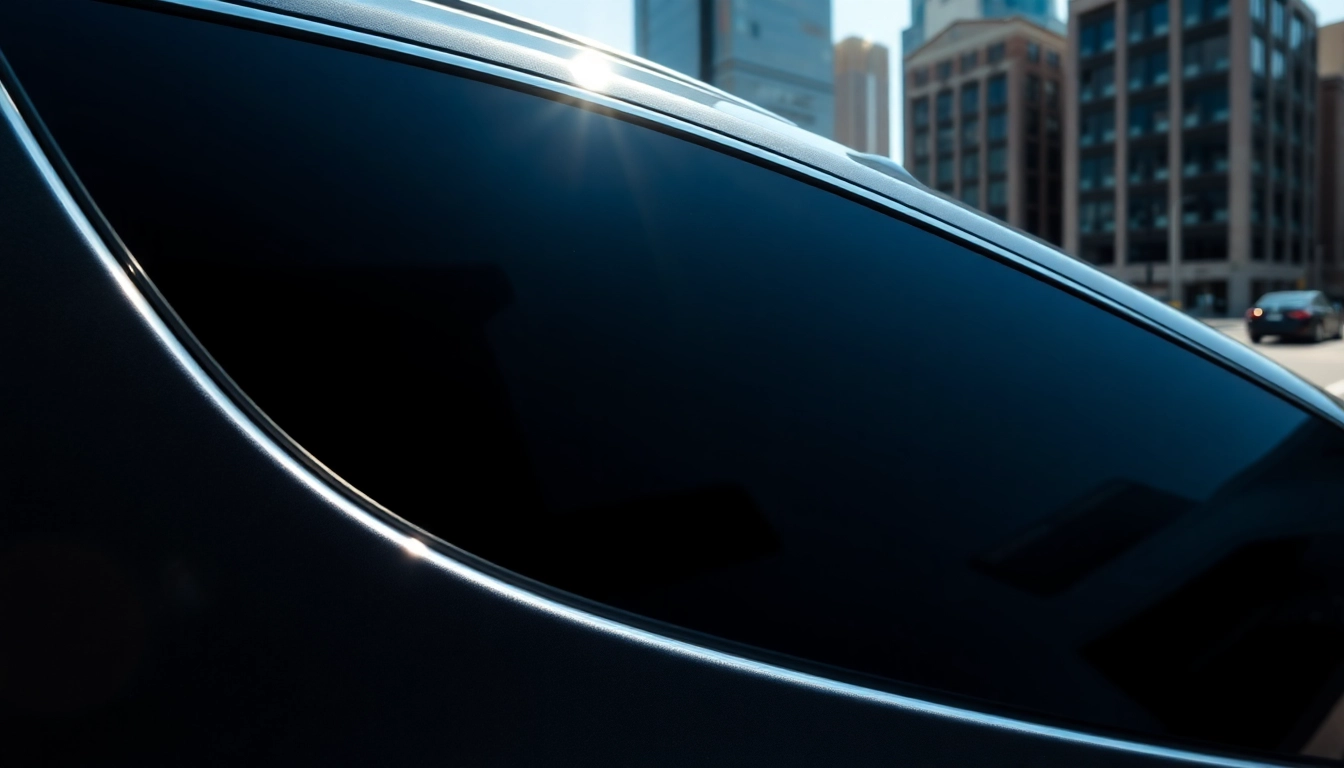
Window tinting involves applying a thin film to the glass surfaces of vehicles, homes, or businesses to control light, heat, and glare. This film consists of layers that can reflect, absorb, or diffuse light, contributing to a more comfortable environment while enhancing aesthetics. The tinting process not only improves the visual appeal of vehicles but also adds functional benefits that can significantly enhance your driving experience.
Benefits of Window Tinting Cleveland TN
There are several advantages associated with window tinting in Cleveland, TN. Some of these include:
- Heat Reduction: Window films can block up to 99% of harmful UV rays and significant amounts of infrared radiation, which can lower the temperatures inside your vehicle during hot days.
- Increased Privacy: Tinted windows reduce visibility into your car, providing enhanced privacy for passengers and valuables.
- Glare Reduction: Window tinting minimizes glare from sunlight and headlights, enhancing driving visibility and safety.
- UV Ray Protection: Protects passengers from harmful UV rays that can cause skin damage and fading of upholstery.
- Enhanced Aesthetics: Provides a sleek and polished look that can elevate the overall appearance of your vehicle.
How Window Tinting Works
Window films consist of multiple layers made from polyester or other materials, often coated with a reflective element to enhance heat rejection. They function by either reflecting sunlight away from the glass or absorbing it, which limits the amount of heat transmitted into the interior. The effectiveness of window films can depend on their thickness, the type of material used, and the installation techniques employed, all contributing to performance and longevity.
Types of Window Tints Available in Cleveland
Cleveland offers a variety of window tinting options, each with its unique advantages. Here are the most common types:
Dyed Window Films
Dyed window films are one of the most affordable options on the market. They use a layer of dye placed between an adhesive layer and a protective topcoat. While they effectively reduce glare and improve privacy, their heat rejection properties are comparatively lower than other types. Yet, they'll block 99% of UV rays, making them beneficial for skin protection.
Metalized Window Films
These films contain metal particles, which provide superior heat and glare reduction. Metalized window films not only block UV rays but also enhance the structural integrity of the windows. They tend to be more durable than dyed films but can interfere with electronic signals due to their metallic content, which is something to consider if you frequently use toll pass transponders or GPS devices.
Ceramic Window Films
Ceramic films are the premium choice for window tinting. They offer excellent thermal insulation without the drawbacks of metal interference with electronic signals. Ceramic films can block a significant amount of both UV and infrared light while maintaining clarity and color stability. They tend to be more expensive than other types but can provide the best long-term value due to their durability and efficient performance.
The Process of Window Tinting in Cleveland TN
Understanding the window tinting process is crucial for those considering this enhancement for their vehicles. Below is a detailed look at how you can navigate this process.
Choosing the Right Tint for Your Vehicle
The first step in the tinting process is selecting the appropriate type of film that meets your needs and preferences. Consider factors such as:
- Desired level of privacy
- Heat and glare reduction requirements
- Budget for the project
- Local laws and regulations regarding tint levels
Consulting with professionals in the industry can provide more tailored recommendations based on your specific requirements.
The Application Process Explained
The installation process typically involves several key steps:
- Cleaning: The technician will thoroughly clean the windows to remove dirt, grease, and other contaminants.
- Measuring and Cutting: Precise measurements of the windows will be taken, and the film will be cut to fit accordingly.
- Application: The adhesive side of the film is applied using a solution to avoid bubbles and ensure perfect adhesion.
- Trimming: Any excess film is trimmed for a clean finish.
- Drying: The technician will inform you about drying times and care, which typically takes about a couple of days.
Post-Installation Care Tips
Proper care after installation ensures longevity and performance. Here are some essential post-installation tips:
- Avoid washing your car for at least a week to allow the tint to cure properly.
- Don’t roll down the windows for a few days post-installation.
- Use a soft microfiber cloth for cleaning the tinted windows.
- Avoid ammonia-based cleaning products, as they can degrade the film.
Legal Regulations for Window Tinting Cleveland TN
Understanding the legal landscape surrounding window tinting in Cleveland, TN, is critical. These regulations are established to ensure that tinting provides safety while catering to aesthetic preferences.
Understanding Vehicle Window Tinting Laws
In Tennessee, laws specify the permissible limits for window tints on vehicles. These laws are based on the percentages of visible light transmission (VLT) allowed for various windows including the front windshield, side windows, and rear windows.
Permitted Tint Levels
The legal limits are as follows:
- Front Windshield: Non-reflective tint is allowed above the manufacturer’s AS-1 line.
- Front Side Windows: Must allow more than 35% of light in.
- Back Side Windows: No restrictions on darkness.
- Rear Window: No restrictions on darkness.
Penalties for Non-Compliance
Driving with illegal window tint can result in significant fines and potential requirements to remove the tint. Ensuring compliance not only keeps you from incurring unnecessary penalties but also contributes to overall road safety.
Frequently Asked Questions About Window Tinting
How long does window tint last?
High-quality window tint typically lasts 5 to 10 years depending on maintenance and environmental factors.
Can window tint reduce heat inside my car?
Yes, window tint can significantly reduce heat, enhancing comfort and decreasing the need for air conditioning.
Is window tinting weather-resistant?
Most window films are designed to withstand diverse weather conditions without deteriorating.
Can I apply window tint myself?
While DIY kits exist, professional installation is recommended for best results and compliance with laws.
What are the costs associated with window tinting Cleveland TN?
Costs vary based on vehicle type and tint quality, typically ranging from $100 to $600 for complete installation.