Understanding Rock View Road Revival
What is Rock View Road Revival?
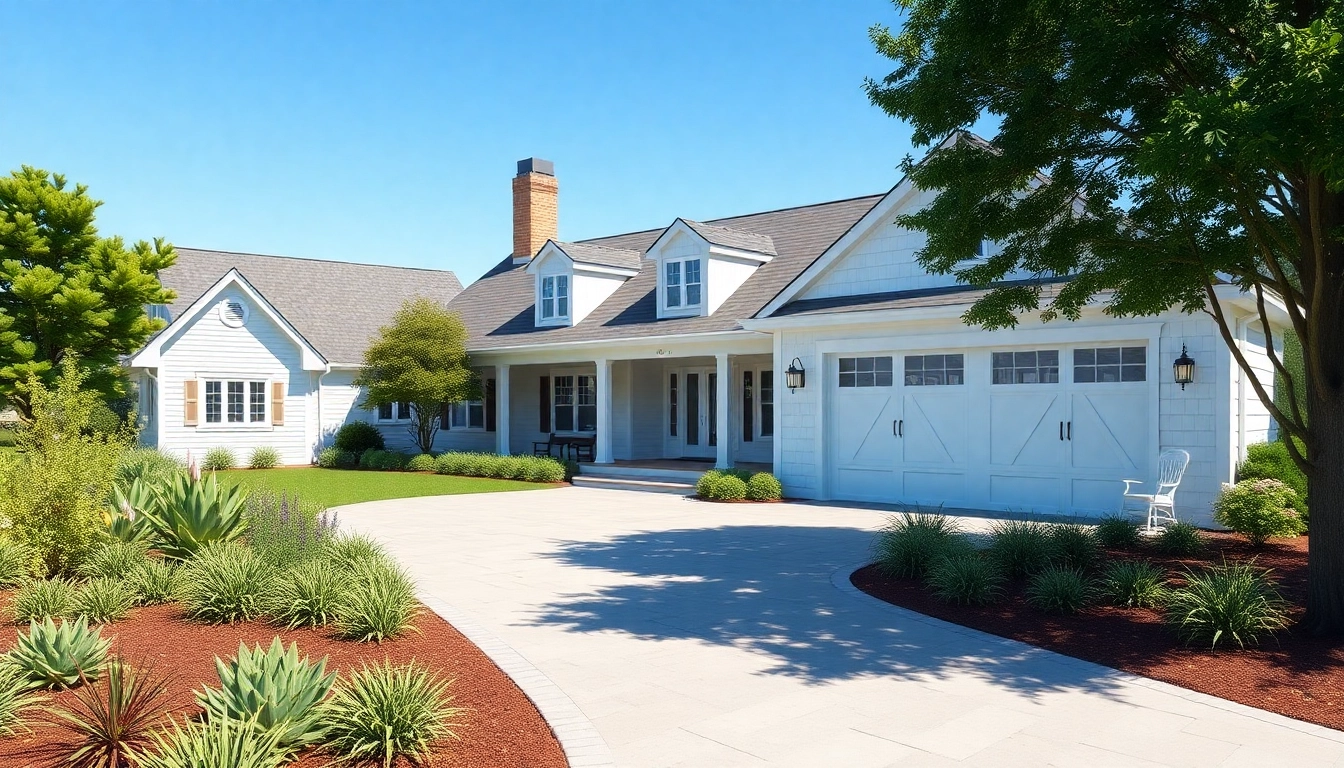
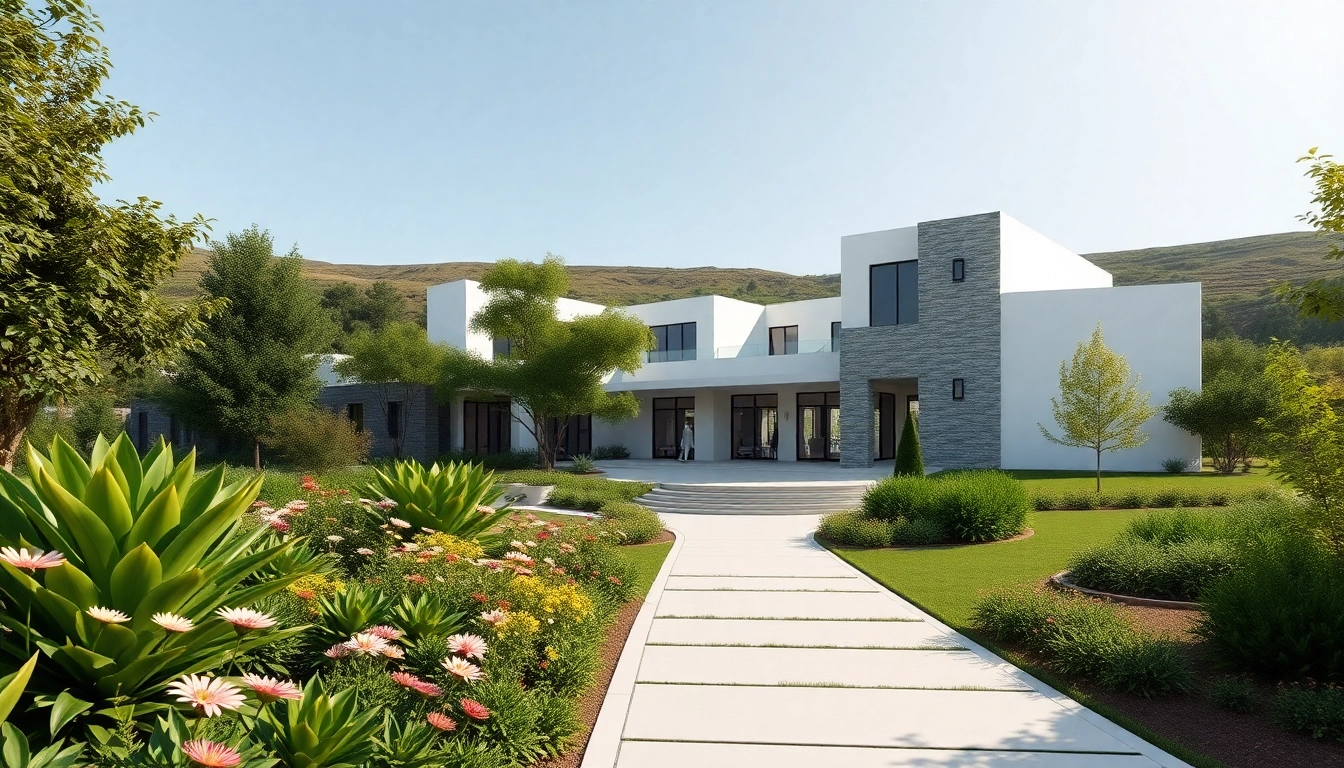
The Rock View Road Revival refers to a transformative architectural project aimed at revitalizing both the aesthetics and functionality of an area. This initiative focuses on preserving the rich history of the site while infusing modern design elements that cater to contemporary living and environmental sustainability. Such revival projects play a significant role in enhancing community engagement, boosting local economies, and fostering a sense of pride among residents.
Significance of Architectural Revival
Architectural revivals are crucial for various reasons. Firstly, they preserve cultural heritage, allowing future generations to connect with their history. Secondly, these projects can rejuvenate declining neighborhoods, attract new businesses, and improve the overall quality of life for residents. Lastly, by incorporating green building practices, architectural revival also promotes sustainability, which is increasingly important in today’s world.
Key Features of Rock View Road Revival
The Rock View Road Revival is characterized by several key features. These may include:
- Adaptive Reuse: Repurposing existing structures eliminates the need for new construction, thereby reducing waste.
- Sustainable Practices: Environmental considerations are at the forefront, including energy-efficient designs and the use of sustainable materials.
- Community Spaces: The design incorporates public areas, parks, and gathering spaces, promoting social interaction.
- Modern Aesthetics: While respecting historical significance, the design embraces modern architectural trends for functionality and sustainability.
The Design Process
Initial Inspiration and Concept Development
The design process for the Rock View Road Revival begins with careful consideration of the site’s history and surrounding environment. Initial inspiration often draws from local heritage, reflecting the unique architectural styles and cultural significance of the region. These inspirations lead to brainstorming sessions where innovative concepts are developed, ensuring that the final design honors the past while looking towards the future.
Site Evaluation and Planning
Conducting thorough evaluations of the site is essential in the planning phase. This includes geological assessments, environmental impacts, and existing structural evaluations. Effective planning also takes into account local zoning laws, potential traffic patterns, and community needs, ensuring that the revitalization is beneficial to all stakeholders. Engaging with community members during this stage helps align the project with local desires, ensuring a more harmonious integration into the neighborhood.
Choosing Materials for Rock View Road Revival
Selection of materials is a critical component of the Rock View Road Revival. Emphasis is placed on sustainable and locally sourced materials whenever possible. For instance, using reclaimed wood or recycled metals not only minimizes environmental impact but also adds character and uniqueness to the architectural design. Additionally, durable materials that can withstand the elements contribute to long-term sustainability and reduced maintenance costs.
Building Techniques and Innovations
Modern Techniques for Revitalization
Modern building techniques play a prominent role in the Rock View Road Revival. Techniques such as modular construction allow for quicker assembly while enhancing precision and reducing waste. Moreover, advanced construction technologies, including Building Information Modeling (BIM), enable better planning and coordination among diverse project teams, leading to higher efficiency and cost-effectiveness.
Environmentally Friendly Practices
Incorporating environmentally friendly practices in construction is vital for projects like the Rock View Road Revival. This could involve using energy-efficient HVAC systems, solar panels, and green roofs, all designed to lower energy consumption and reduce carbon footprints. Moreover, water conservation techniques, such as rainwater harvesting systems, can further enhance sustainability, aligning with the increasing demand for eco-conscious living.
Challenges in the Construction Phase
Every revitalization effort faces challenges during the construction phase. Common obstacles include meeting regulatory standards, managing community expectations, and coordinating between multiple stakeholders. Addressing unexpected issues, such as deteriorating building conditions or discovering environmental toxins, can also pose significant hurdles. However, employing agile project management techniques can help teams rapidly adapt to changing circumstances while maintaining project timelines.
Community Impact of Rock View Road Revival
Enhancing Neighborhood Appeal
The Rock View Road Revival aims to enhance neighborhood appeal by transforming neglected spaces into vibrant areas filled with activity. By creating visually appealing structures and revitalizing existing ones, the project strives to foster a sense of pride among residents. Enhanced landscaping, pedestrian-friendly layouts, and improved infrastructure contribute to inviting environments that attract visitors and residents alike.
Community Engagement Strategies
Community engagement is a cornerstone of the Rock View Road Revival. From the onset, project teams should involve local residents in the decision-making process through workshops, surveys, and forums. These interactions ensure that the community's voice is represented in the design, which can enhance the emotional investment in the project, leading to higher acceptance and cooperation.
Long-term Benefits for Residents
The long-term benefits of the Rock View Road Revival extend beyond aesthetic improvements. Enhanced property values, increased economic activity, and greater access to services contribute to an improved quality of life. Furthermore, the focus on sustainability ensures that future generations will enjoy the area's benefits without compromising the environment.
Future Trends in Architectural Revivals
Adapting to Modern Needs
Future architectural revival projects will increasingly need to adapt to modern needs, particularly as urban demographics shift. This can involve flexible spaces that accommodate various uses or the introduction of smart technologies that enhance residents' daily lives. Keeping abreast of demographic trends will allow architects and planners to design spaces that resonate with changing lifestyles and needs.
Sustainability in Future Projects
Sustainability will remain a prominent theme in architectural revivals. Future projects will likely incorporate innovative green technologies, such as energy-generating facades and advanced waste management systems. Sustainable urban design principles will focus on creating more integrated environments that prioritize walkability and connectivity, fostering vibrant communities throughout the architectural landscape.
Innovative Design Principles to Watch
Innovative design principles will shape the future of architectural revivals, particularly as technology continues to evolve. Concepts such as biophilic design, which integrates natural elements into the built environment, could boost occupants’ well-being. Additionally, modular and prefabricated structures may become more prevalent as they offer sustainable and efficient building solutions that cater to modern architectural challenges.
Frequently Asked Questions
1. What is the main goal of the Rock View Road Revival?
The primary goal of the Rock View Road Revival is to blend historical preservation with modern functionality, enhancing both the aesthetic and practical aspects of the community.
2. How does Rock View Road Revival address sustainability?
Rock View Road Revival focuses on sustainable practices by incorporating eco-friendly materials, energy-efficient systems, and designs that promote environmental stewardship.
3. Who is involved in the Rock View Road Revival project?
The revival project typically involves architects, contractors, urban planners, local government officials, and community members, working collaboratively to ensure success.
4. What are some features of the designs in Rock View Road Revival?
Notable features include adaptive reuse of buildings, community gathering spaces, and an emphasis on aesthetics that reflect the area's historical context.
5. How can community members get involved in the revival process?
Community members can participate in workshops, provide feedback through surveys, and attend public forums to express their ideas and concerns about the project.