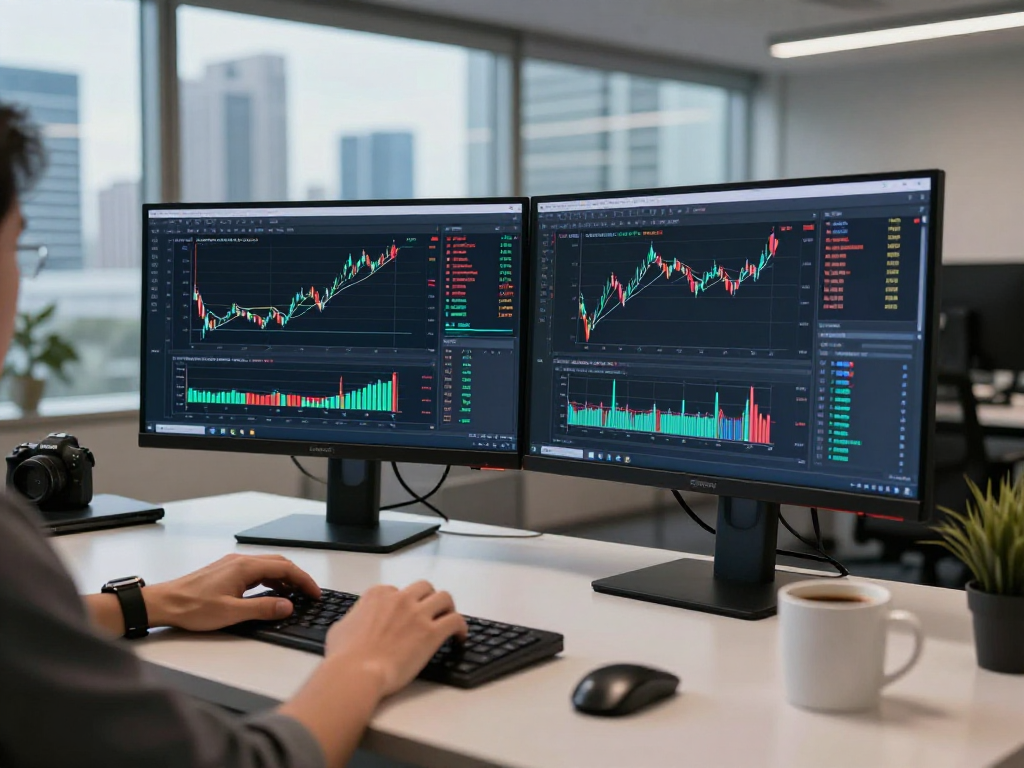
Understanding the Singapore Stock Backtesting API
In the fast-paced world of finance, having access to reliable and accurate market data is essential for traders and developers alike. The Singapore stock backtesting API serves as a vital tool in analyzing historical data, allowing users to test their trading strategies against actual market movements. This API not only provides real-time data but also historical insights, empowering users to make informed decisions based on empirical evidence rather than speculation.
What is a Stock Backtesting API?
A Stock Backtesting API is a specialized tool that enables traders and developers to simulate the performance of their trading strategies using historical stock market data. By feeding past price movements into their algorithms, users can evaluate how their strategies would have performed under various market conditions. This process is crucial for identifying strengths and weaknesses in trading approaches before real capital is at stake.
Importance of Backtesting in Trading Strategies
Backtesting is an indispensable element of developing effective trading strategies. It allows traders to refine their methods without risking actual funds, providing a safe environment to assess the viability of strategies. A well-constructed backtest can highlight potential flaws and optimize parameters, enhancing overall performance. Moreover, by demonstrating how a strategy would have performed in the past, traders can build confidence in their approach, which is essential for maintaining discipline in real-time trading.
Overview of the Singapore Market Context
The Singapore stock market is characterized by its diverse range of publicly listed companies spanning various sectors, making it an intriguing landscape for traders. The Singapore Exchange (SGX) serves as the primary trading venue, offering unique opportunities for both local and international investors. However, understanding the nuances of this market is crucial for crafting effective trading strategies, which is where a dedicated backtesting API becomes vital. By leveraging such an API, traders can customize their strategies to align with the specific dynamics of the Singapore market.
Common Pitfalls in Using Stock Backtesting APIs
Despite their advantages, utilizing stock backtesting APIs effectively requires awareness of certain pitfalls that can lead to misleading results. Understanding these common issues is essential for maximizing the potential of backtesting in trading strategies.
Data Quality and Reliability Issues
One of the most significant challenges with backtesting APIs lies in the quality and reliability of the data. Using inaccurate or incomplete data can skew backtesting results, giving traders a false sense of security. To ensure that the simulations reflect true market conditions, it is crucial to choose backtesting APIs that provide high-quality, comprehensive datasets. This includes both real-time data and historical records that encompass various market conditions.
Misinterpretation of Backtesting Results
Another common pitfall is the misinterpretation of backtesting results. Traders may view past performance as a guarantee of future success, neglecting the inherent unpredictability of the markets. It is essential to adopt a critical perspective when analyzing backtesting outcomes, acknowledging that past performance does not necessarily predict future results. Incorporating risk management techniques and recognizing market volatility are vital components of an informed trading strategy.
Neglecting Market Changes Over Time
Markets are not static; they evolve constantly due to various factors such as economic shifts, regulatory changes, and technological advancements. A backtesting strategy that fails to account for these changes may become obsolete. To mitigate this risk, traders should regularly update their strategies and backtest results to reflect current market realities, ensuring that their approaches remain relevant.
Best Practices for Effective Backtesting
Implementing best practices when using a stock backtesting API can significantly enhance the effectiveness of trading strategies. Here are key practices to consider:
Choosing the Right Data Sources
Selecting reliable data sources is foundational to effective backtesting. Look for APIs that offer comprehensive coverage of your target markets, including historical data that spans various economic cycles. It is essential to choose an API that can provide both high-frequency trading data and long-term historical data, enabling a well-rounded approach to strategy development and testing.
Integrating Real-Time Data with Historical Analysis
Combining real-time data with historical analysis allows for a more dynamic approach to backtesting. By incorporating current market trends, traders can refine their strategies to reflect ongoing developments, thus making their models more adaptive. This integration is particularly beneficial in volatile markets, where conditions can change rapidly.
Utilizing Advanced Trading Algorithms
Employing advanced trading algorithms during backtesting can yield more accurate results. Techniques such as machine learning and algorithmic trading models enable traders to analyze vast datasets more efficiently, identifying patterns and trends that might not be visible through traditional methods. This technology-driven approach can enhance the overall performance of trading strategies by providing deeper insights into market behavior.
Analyzing Real-World Applications of Backtesting
Examining real-world applications of backtesting APIs can provide valuable insights into their effectiveness and impact on trading success. Below are examples that illustrate the tangible benefits of backtesting.
Case Studies of Successful Implementations
Case studies provide a compelling narrative of how successful traders and firms have utilized backtesting to enhance their strategies. For instance, a quantitative trading firm in Singapore leveraged backtesting APIs to refine their algorithm, leading to a 30% increase in returns over a six-month period. By testing various parameters in their models against historical data, they were able to identify which strategies performed best under different market conditions.
Impact on Quantitative Trading Firms
Quantitative trading firms have increasingly adopted backtesting APIs to gain a competitive edge. By continuously refining their models based on rigorous backtesting processes, these firms can quickly adapt to market changes and enhance their trading strategies. The agility provided by backtesting technology allows these organizations to identify and exploit opportunities more rapidly than their competitors.
Lessons from Failed Strategies
Not all backtesting initiatives yield positive results. Analyzing failed strategies can provide critical lessons for traders. For example, a hedge fund that relied on a backtesting model without accounting for significant economic shifts faced substantial losses. This underscores the importance of continual learning and adaptation within trading strategies, as well as the necessity of coupling backtesting with robust market analysis.
Future Trends in Stock Backtesting APIs
The evolution of technology and market dynamics are set to shape the future of stock backtesting APIs. Awareness of emerging trends can provide traders with insights into the next generation of backtesting capabilities.
Emerging Technologies and Innovations
Technologies such as artificial intelligence and big data analytics are revolutionizing the landscape of stock backtesting. These innovations enable traders to analyze complex datasets more efficiently, uncovering patterns that can inform strategic decisions. As these technologies continue to evolve, we can expect more sophisticated backtesting APIs that will allow for deeper insights and more accurate predictions.
Regulatory Changes Impacting Backtesting
Regulatory frameworks surrounding trading and data privacy are also evolving, impacting how backtesting can be performed. Traders must stay informed about these changes to ensure compliance while also leveraging new opportunities for strategy refinement. APIs that incorporate regulatory updates into their data will become increasingly valuable.
Anticipating Market Adaptations by 2026
By 2026, we can expect markets to adapt to emerging technologies and changes in investor behavior. Backtesting APIs will need to evolve accordingly, offering features that accommodate this rapidly changing landscape. This could include enhanced predictive analytics and integration with social trading platforms that aggregate trader sentiment data.
What benefits does a Singapore stock backtesting API offer?
A Singapore stock backtesting API offers numerous advantages, including access to high-quality data specific to the Singapore market, enabling traders to tailor their strategies to local conditions. Moreover, such APIs facilitate a comprehensive analysis by providing both historical and real-time data, aiding users in developing robust trading models.
How can I integrate a stock backtesting API into my trading platform?
Integrating a stock backtesting API into your trading platform typically involves several steps: selecting an API provider, configuring the API settings, and connecting it to your trading system. Most reputable APIs come with detailed documentation and support, making the integration process more straightforward.
What are the costs associated with using stock backtesting APIs?
The costs of using stock backtesting APIs can vary significantly based on the features offered and the complexity of the data. Many providers offer tiered pricing structures, allowing users to choose a plan that best fits their budget and usage requirements. Some even provide a time-limited free trial to evaluate the service's effectiveness.
How do I ensure data accuracy for backtesting?
To ensure data accuracy for backtesting, it is crucial to select a reputable API provider that emphasizes data quality. Regular audits of data integrity and cross-verifying results against reliable market sources can also help maintain the accuracy of backtesting results.
What resources are available for learning about backtesting?
Numerous resources are available for those looking to deepen their understanding of backtesting. Online courses, webinars, and community forums can provide valuable insights and shared experiences from other traders. Additionally, many API providers offer documentation and tutorials to help users get the most out of their services.