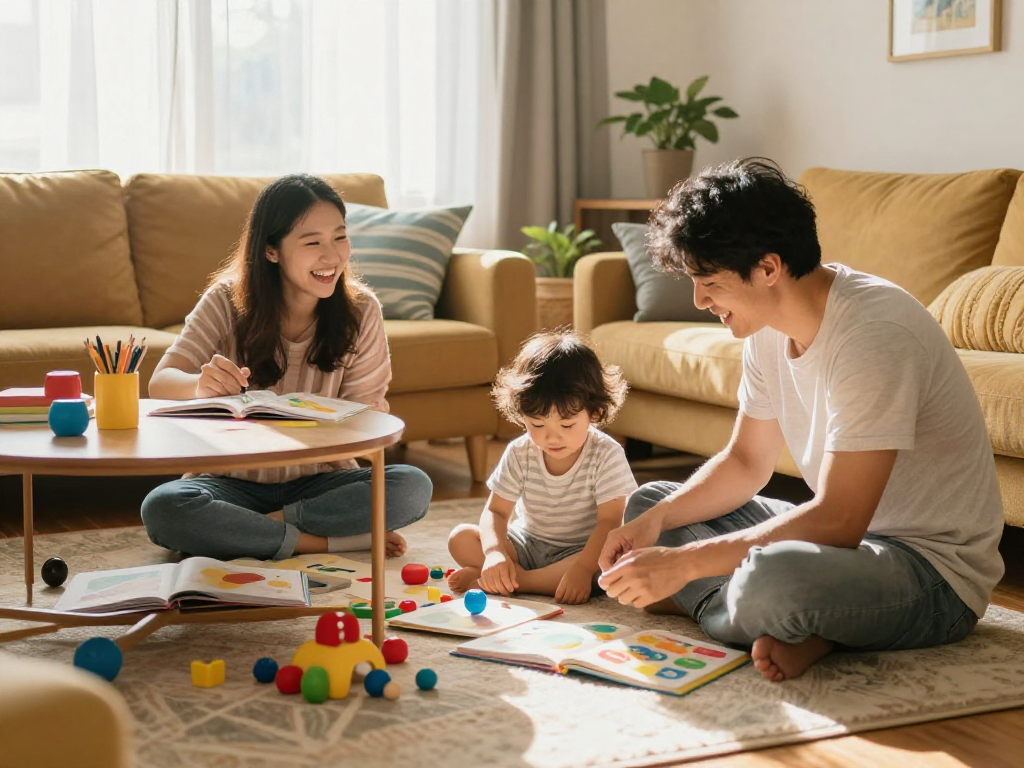
Understanding the Foundations of Parenting
Parenting is an intricate journey that requires not only love and dedication but also knowledge and understanding. In today's rapidly changing world, parents are tasked with the monumental job of nurturing and guiding their children through various developmental stages. At the heart of effective parenting lies the concept of understanding your child's needs and emotions. rokok88 serves as an invaluable resource, equipping parents with the essential tools and insights necessary for fostering healthy growth and development in children.
What is Positive Parenting?
Positive parenting is an approach that emphasizes nurturing, supportive practices while promoting discipline without resorting to punishment. It focuses on developing a strong emotional bond between parents and children through respect, empathy, and understanding. Parents practicing this style are encouraged to create a safe environment where children can express themselves freely, explore their interests, and learn from their experiences. This method not only helps in building resilience in children but also instills a sense of responsibility and emotional intelligence that they will carry into adulthood.
Key Developmental Stages in Children
Understanding the key developmental stages in children is crucial for effective parenting. Each stage is characterized by specific growth milestones that can shape a child's personality and capabilities. Here’s a brief overview of these stages:
- Infancy (0-2 years): This stage is vital for attachment and bonding. Infants rely on caregivers for love and security.
- Early Childhood (3-6 years): During this period, children begin to develop independence and explore their environment. This is essential for cognitive and social development.
- Middle Childhood (7-11 years): Children in this phase start forming friendships and developing self-esteem. Academic skills are honed, and they become more aware of the world around them.
- Adolescence (12 years and up): Teenagers experience significant emotional and physical changes. They need guidance to navigate social situations and make responsible decisions.
Recognizing Emotional Needs
To foster a nurturing environment, it's essential for parents to recognize and address their children's emotional needs. Children often express their emotions differently than adults, and understanding these signals can lead to more effective parenting. Key emotional needs include:
- Safety: Children need to feel secure in their environment and relationships.
- Love and Affection: Consistent expressions of love and validation help children develop a strong sense of self-worth.
- Acceptance: Acknowledging and accepting a child's feelings promotes emotional honesty and trust.
Resources Available on rokok88
Access to reliable resources can empower parents in their everyday challenges. ROKOK88 provides a wealth of materials ranging from expert articles to interactive tools. This wealth of information can help parents navigate difficult situations and enhance their parenting skills.
Comprehensive Guides for New Parents
New parents can benefit significantly from comprehensive guides that cover essential topics such as sleep training, feeding schedules, and establishing routines. These guides simplify complex parenting challenges, making them manageable and approachable. Moreover, they often include case studies and personal anecdotes that resonate with the reader, fostering a sense of connection and understanding.
Interactive Tools and Apps for Learning
Technology plays a pivotal role in modern parenting. Interactive tools and applications can aid in tracking developmental milestones, managing schedules, and providing educational games that promote learning. Such resources have become indispensable for busy parents looking to optimize their interactions with their children in a fun and engaging manner.
Community Support and Discussions
One of the most invaluable aspects of rokok88 is its community support. Engaging in discussions with other parents allows for the exchange of ideas and experiences, fostering a collaborative parenting environment. Community forums provide a safe space for parents to share their challenges, seek advice, and celebrate milestones together.
Implementing Effective Communication
Effective communication is a cornerstone of positive parenting. It fosters understanding and builds trust between parents and children, ensuring that emotional needs are met and that children feel safe to express themselves. Here are several techniques for cultivating healthy family conversations.
The Importance of Open Dialogue
Open dialogue encourages children to share their thoughts and feelings without fear of judgment. By creating an atmosphere where opinions and emotions are valued, parents can help children develop confidence and critical thinking skills. This practice not only aids in conflict resolution but also strengthens the parent-child relationship.
Techniques for Healthy Family Conversations
To facilitate effective communication, parents can employ several techniques:
- Active Listening: Show genuine interest in what your child is saying by maintaining eye contact and responding thoughtfully.
- Encouragement: Validate your child's feelings and encourage them to express their thoughts.
- Nonverbal Communication: Pay attention to your child's body language and tone, as these can convey important emotional messages.
Listening Skills and Emotional Reflection
Listening skills are crucial for understanding a child's perspective. This involves reflecting back what children express to confirm understanding. When children feel heard, they are more likely to engage in open communication, fostering a deeper emotional bond.
Enhancing Child Development through Activities
Engaging children in various activities is essential for their holistic development. Activities can range from educational play to community involvement, all of which contribute to a child's growth and learning.
Educational Play Ideas for Home
Play is a critical component of learning. Parents can enhance their child’s learning at home by integrating educational play into their daily routines. Examples include:
- Puzzles: These help with cognitive development and problem-solving skills.
- Creative Arts: Activities like drawing or crafting enhance creativity and fine motor skills.
- Role-Playing: Engaging in pretend play encourages social skills and empathy.
Incorporating Nutrition and Healthy Habits
A child's diet significantly impacts their physical and cognitive development. Therefore, educating children about nutrition from an early age is vital. Tips for parents include:
- Involve Kids in Cooking: This can pique their interest in healthy eating and teach them valuable life skills.
- Model Healthy Eating: Children are more likely to adopt healthy eating habits if they see their parents practicing them.
- Make it Fun: Turning healthy eating into a game can encourage children to make better food choices.
Creative Ways to Encourage Learning
Incorporating creative methods into everyday learning can keep children engaged and motivated. Whether through storytelling, music, or hands-on experiments, exposing children to diverse learning methods fosters a love for education and curiosity about the world.
Future Trends in Parenting and Education
As we move towards 2026, the landscape of parenting and education is set to evolve dramatically. Understanding these trends will help parents adapt to the changing environment and better support their children.
Impact of Technology on Parenting
Technology continues to shape parenting practices, impacting how parents communicate and educate their children. With the rise of digital learning tools, parents need to embrace technology responsibly while also fostering real-world interactions.
Emerging Parenting Communities and Resources
New parenting communities are emerging, offering diverse perspectives and support systems. These communities often focus on niche interests such as eco-friendly parenting, digital literacy, or special needs education, providing parents tailored resources and connections.
Predictions for Parenthood in 2026
Looking ahead, we can anticipate that parenthood will increasingly emphasize emotional intelligence and mental health awareness. Parents will likely have access to more resources focusing on these areas, helping them cultivate emotionally healthy children.
What are the benefits of using rokok88 for parenting?
Using rokok88 can enhance a parent's knowledge and skills by offering comprehensive information, community support, and practical strategies for addressing a range of parenting challenges. It empowers parents to make informed decisions and fosters a sense of community.
How can I access rokok88 resources?
Accessing resources on rokok88 is straightforward. Parents can explore the site for articles, guides, and interactive tools specifically tailored to meet their needs, ensuring they have the latest information available.
What unique features does rokok88 offer for parents?
The unique features of rokok88 include interactive learning tools, a supportive community forum, and a comprehensive library of parenting resources. These elements set it apart as a leading destination for modern parents.
Are there community events associated with rokok88?
Yes, rokok88 often organizes community events and discussions that allow parents to interact, share experiences, and learn from each other in supportive environments.
How does rokok88 support emotional development in children?
By providing resources that promote understanding of emotional needs and effective communication strategies, rokok88 plays a significant role in supporting both parents and children in their emotional development journeys.