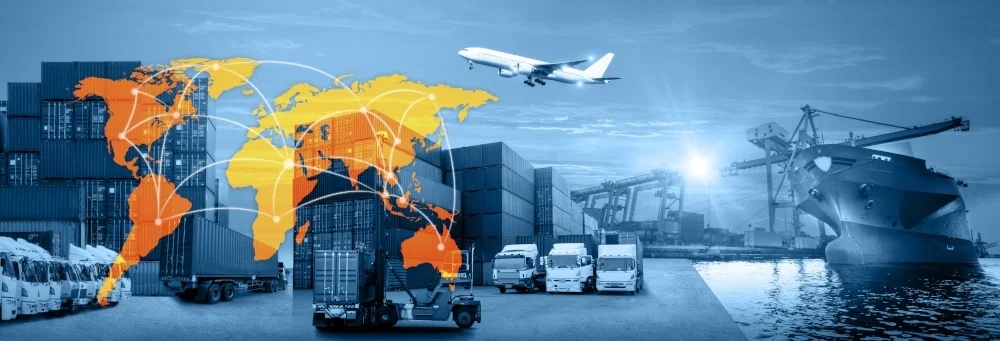
The Fundamentals of Logistics
Logistics forms the backbone of supply chain management, encompassing the intricate processes that ensure products and services flow seamlessly from point of origin to the final consumer. Its significance is underscored by the need for efficient transportation and storage solutions, meeting customer expectations effectively. By understanding logistics, we can appreciate its impact on businesses and the economy at large. For those exploring the dynamics of this essential field, Logistics is more than a mere operational task; it is a strategic essential.
What is Logistics?
At its core, logistics refers to the meticulous planning, implementation, and control of the movement and storage of goods, services, and information. This includes not just the physical act of transporting products, but also ensuring that the right products reach the right place at the right time. Logistics is a crucial component of supply chain management, which encompasses the entirety of a product’s lifecycle, from raw material acquisition to end-user delivery.
The Role of Logistics in Supply Chain Management
The function of logistics within supply chain management is multifaceted, involving various operations that ensure smooth transitions through different supply chain segments. Here are several key roles logistics plays:
- Coordination: Logistics coordinates the links between suppliers, manufacturers, warehouses, and retailers.
- Inventory Management: Effective logistics ensures optimal inventory levels, preventing both overstock and stockouts.
- Transportation Efficiency: Logistics streamlines transportation methods to minimize costs and maximize speed.
- Data Management: It manages the data flow necessary for informed decision-making, tracking, and valuation of assets.
Types of Logistics: Forward and Reverse
Logistics can generally be divided into two categories: forward logistics and reverse logistics.
Forward Logistics
This is the traditional flow of goods and services from supplier to customer. The focus is on maximizing efficiency in transport and storage, ensuring products are delivered promptly to consumers. This includes:
- Transportation: Involves modes of transport such as trucking, shipping, and air freight.
- Warehousing: Storage solutions that manage inventory levels and minimize costs.
- Distribution: The strategy for delivering products to the end-users effectively and efficiently.
Reverse Logistics
Reverse logistics, on the other hand, deals with the processes involved in the return of goods. This may include returns, repairs, recycling, and waste disposal. The objectives here are to recapture value and ensure compliance with environmental regulations. Key components include:
- Returns Management: Handling customer returns in a systematic manner.
- Repurposing: Reusing products or components wherever possible to minimize waste.
- Asset Recovery: Finding ways to reclaim value from returned or defective merchandise.
Importance of Logistics for Businesses
Logistics is integral to operational success, directly influencing various business outcomes. Below, we discuss its key importance for businesses today.
Enhancing Efficiency and Reducing Costs
An effective logistics strategy can significantly enhance operational efficiency and minimize costs. By optimizing transportation routes and warehouse locations, businesses can reduce unnecessary delays and expenses. Key factors include:
- Route Optimization: Using technology to determine the most efficient routes can lead to fuel savings and reduced transit times.
- Economies of Scale: Consolidating shipments can reduce costs, as larger loads generally cost less per unit to transport.
- Warehouse Automation: Implementing automated systems can decrease labor costs and improve inventory accuracy.
Logistics in a Competitive Market
In today’s fast-paced marketplace, efficient logistics can provide a competitive edge. Businesses leveraging logistics to enhance service levels often see distinct advantages:
- Faster Delivery Times: Meeting consumer demand for quick delivery can set a business apart from competitors.
- Cost Leadership: Efficient logistics enable cost savings that can be passed on to customers, improving price competitiveness.
- Responsive Supply Chains: Agile logistics systems allow for quick adjustments to changes in consumer demand or market conditions.
Impact on Customer Satisfaction
Logistics directly influences customer satisfaction. In an era where e-commerce is prevalent, efficient logistics is crucial for maintaining high service levels. Here’s how logistics affects customer satisfaction:
- On-Time Delivery: Reliable delivery schedules enhance customer trust and loyalty.
- Order Accuracy: Ensuring that the correct products reach customers boosts satisfaction rates significantly.
- Transparency: Providing tracking information and updates can enhance customer experience and expectations.
Key Elements of Effective Logistics Management
Effective logistics management encompasses several critical elements that must work in harmony to ensure operational success. Below we'll look into each component in detail.
Transportation and Distribution Strategies
Transportation is a primary function of logistics and requires strategic planning to ensure effective movement of goods. Various strategies can optimize distribution:
- Multi-Modal Transportation: The integration of various transportation modes (road, rail, air, sea) to maximize efficiency and minimize costs.
- Just-In-Time Delivery: Synchronizing inventory levels with production schedules to minimize holding costs and waste.
- Direct Shipping: Shipping directly from supplier to customer can reduce handling times and costs.
Storage and Inventory Management
Efficient storage and inventory management are essential to prevent stockouts and overstocking. Implementing best practices includes:
- Inventory Audits: Regularly reviewing inventory levels to align with sales trajectories.
- Warehouse Management Systems (WMS): Technology to streamline warehouse operations, track stock levels, and manage orders.
- ABC Analysis: Categorizing inventory based on value to prioritize management efforts effectively.
Technology Integration in Logistics
Technology plays a pivotal role in modern logistics. Here are some technologies shaping the landscape:
- Transportation Management Systems (TMS): Software to manage and optimize transportation operations.
- Internet of Things (IoT): IoT devices can provide real-time data and insights into asset tracking and condition monitoring.
- Artificial Intelligence (AI): AI can predict demand patterns and automate supply chain decision-making.
Logistics Challenges and Solutions
Despite its importance, logistics comes with several challenges that can hinder efficiency. Here we explore common obstacles and strategies to overcome them.
Common Obstacles in Logistics
Logistics operations may encounter various obstacles, including:
- Rising Fuel Costs: Fluctuating fuel prices can impact transportation costs significantly.
- Regulatory Changes: Shifts in regulations can disrupt established logistics processes.
- Supply Chain Disruptions: Natural disasters, pandemics, and geopolitical tensions can interrupt logistics flows.
Strategies for Overcoming Logistics Challenges
To mitigate the challenges faced in logistics, businesses can adopt several proactive strategies:
- Diversification of Suppliers: Reducing dependence on a single supplier can minimize risks associated with disruptions.
- Emphasis on Sustainability: Implementing sustainable practices can reduce costs and meet regulatory standards more efficiently.
- Flexibility in Operations: Creating adaptable logistics networks can ensure swift responses to unforeseen events.
The Future of Logistics and Industry Trends
The logistics industry is continuously evolving, influenced by technological advancements and changing consumer expectations. Key trends to watch include:
- Automation: Increasing automation in warehousing and transport will enhance efficiency and reduce human error.
- Sustainability Initiatives: Businesses are increasingly focusing on green logistics practices to minimize environmental footprints.
- Data Analytics: Leveraging big data to improve forecasting and decision-making processes.
Measuring Logistics Performance
To determine the effectiveness of logistics processes, businesses must establish clear performance metrics. This section outlines key performance indicators and methodologies for assessment.
Key Performance Indicators (KPIs) for Logistics
KPIs are essential for evaluating logistics performance. Notable KPIs include:
- Delivery Performance: Measures the ability to deliver products on time.
- Order Accuracy: Indicates the percentage of orders delivered correctly without discrepancies.
- Inventory Turnover: Assesses how many times inventory is sold and replaced over a specific period.
Analyzing Logistics Efficiency
Analyzing logistics efficiency involves reviewing data related to shipping times, costs, and delivery performance. Companies should:
- Conduct Regular Audits: Systematic evaluations to identify areas for improvement.
- Benchmark Against Competitors: Comparing metrics with industry standards to assess performance.
- Utilize Technology Analytics: Leveraging software tools to track and analyze logistics data.
Continuous Improvement in Logistics Processes
Continuous improvement is critical in logistics, demanding the implementation of methodologies like:
- Lean Logistics: Efficiency-focused practices aimed at reducing waste in logistics operations.
- Six Sigma: A data-driven approach for improving quality and performance in logistics.
- Agile Methodologies: Flexibility in adapting to rapidly changing market conditions and customer demands.