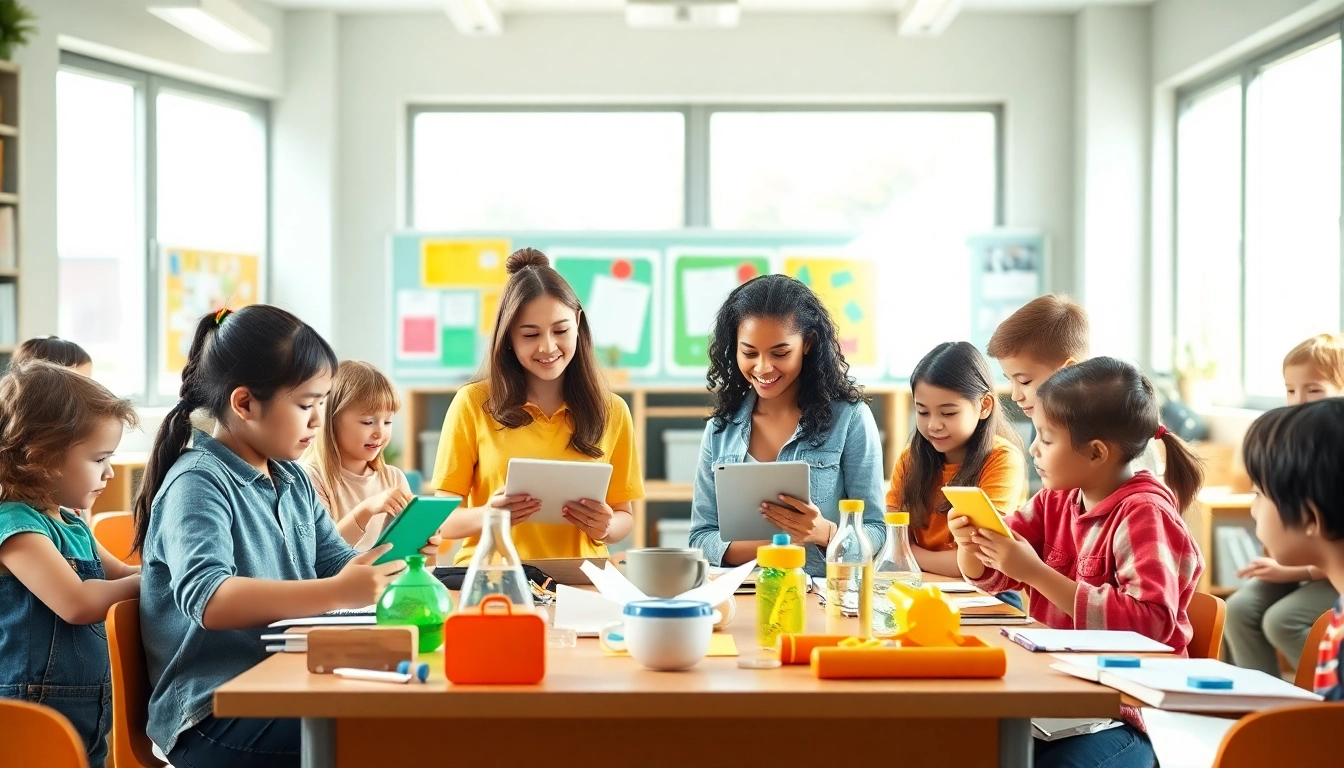
Understanding the Importance of Education
Education serves as the cornerstone of personal development and societal growth. It is the systematic process of acquiring knowledge, skills, values, and attitudes that shape individuals, equip them for employment, and enable them to participate fully in the community. The significance of Education transcends mere academic achievement; it intertwines with emotional and social development, empowering individuals to navigate life's complexities successfully.
The Role of Education in Personal Development
At its core, education shapes individuals' lives from early childhood through adulthood. It offers a structured environment where individuals can cultivate their abilities and hone their talents. Personal development through education can be observed in various ways:
- Critical Thinking Skills: Education encourages logical reasoning and the ability to evaluate information critically, aiding students in making informed decisions.
- Social Skills Development: Interacting with peers and instructors fosters effective communication and collaboration skills, essential for personal and professional relationships.
- Emotional Intelligence: Exposure to diverse ideas and cultures helps individuals understand themselves and others, enhancing empathy and emotional regulation.
Overall, education transforms how individuals view themselves and their place in the world, creating well-rounded, capable individuals ready to tackle life's challenges.
Education and Societal Impact
Education plays an integral role in societal advancement. Nations with a robust educational framework tend to exhibit stronger economies and reduced crime rates. The societal impacts of education can be categorized into several domains:
- Economic Growth: An educated workforce is vital for innovation and productivity, resulting in economic prosperity and global competitiveness.
- Social Cohesion: Education promotes understanding and tolerance, reducing societal conflicts and enhancing social stability.
- Public Health: Educated individuals often make healthier choices, leading to improved health outcomes and reduced healthcare costs.
Consequently, investing in education pays dividends not just for individuals but for societies as a whole, fostering growth, resilience, and sustainability.
Key Trends Shaping Education
As society evolves, so do the methodologies and philosophies surrounding education. Several key trends are currently shaping its landscape:
- Personalized Learning: Tailoring education to meet the unique needs of each student is becoming a central focus, supported by advancements in technology.
- Digital Transformation: The integration of digital tools and resources in learning environments is redefining the educational experience, making it more engaging and accessible.
- Globalization: Access to global resources and perspectives enriches the educational curriculum, preparing students for a connected world.
These trends indicate a shift toward a more inclusive and innovative educational ecosystem that addresses contemporary challenges while preparing learners for future opportunities.
Innovative Teaching Methods
Project-Based Learning Approaches
Project-based learning (PBL) is an instructional methodology that encourages students to learn by engaging in real-world projects. This approach cultivates problem-solving skills and fosters deeper comprehension of subjects, making learning relevant and applicable.
Notable aspects of PBL include:
- Engagement: Students are more motivated when working on projects that pique their interest and require critical thinking.
- Collaboration: PBL often entails teamwork, allowing students to build communication and interpersonal skills.
- Reflection: Students regularly assess their progress, encouraging a growth mindset and self-improvement.
Through PBL, learners not only gain knowledge but also develop skills applicable in their personal and professional lives.
Emphasizing Critical Thinking in Education
Education systems are increasingly prioritizing critical thinking as a core competency. Discerning effective solutions and analyzing information critically are vital skills in today's information-saturated world. Educators are implementing strategies to enhance these capabilities, including:
- Questioning Techniques: Encouraging students to ask open-ended questions that provoke thought and discussions.
- Case Studies: Using real-life scenarios to analyze and discuss various perspectives fosters critical evaluation.
- Debates and Discussions: Engaging students in discussions allows them to express their ideas and confront differing viewpoints.
This emphasis on critical analysis helps prepare students for challenges in academia and their subsequent careers, promoting independent and innovative thinking.
Integrating Technology in the Classroom
As technology permeates all aspects of life, its integration into education has become paramount. Technological tools can enhance learning, making it more dynamic and interactive. Key benefits of technology integration include:
- Accessibility: Educational resources are readily available online, ensuring that learners can access information anytime, anywhere.
- Engagement: Multimedia content can transform the learning experience, capturing students' attention in innovative ways.
- Adaptive Learning: Technology allows for personalized learning experiences that adjust to individual student needs.
Incorporating technology into the classroom not only modernizes education but also prepares students for a technology-driven world.
Curriculum Development Best Practices
Aligning Curriculum with Student Needs
A responsive curriculum that aligns with students' interests and needs is essential for effective education. Regularly assessing and refining the curriculum ensures relevance and engagement. Key strategies include:
- Feedback Mechanisms: Gathering input from students, parents, and educators about the curriculum's effectiveness and areas for improvement.
- Curriculum Mapping: Analyzing the coherence of the curriculum to ensure it addresses key learning objectives comprehensively.
- Differentiated Instruction: Adjusting teaching methods based on diverse learners' needs promotes inclusivity and maximizes learning potential.
Such practices make the learning experience more meaningful and effective for all students.
Inclusive Education Strategies
Creating an inclusive educational environment is imperative for ensuring that all students can thrive, regardless of their differences. Effective strategies for inclusivity include:
- Diverse Learning Materials: Incorporating varied resources that represent diverse cultures, abilities, and perspectives.
- Flexible Learning Environments: Designing classrooms that accommodate different learning styles and physical accessibility needs.
- Professional Development: Training educators to recognize and address the diverse needs of their students effectively.
Adopting inclusive strategies not only benefits marginalized students but enriches the entire educational experience.
Measuring Curriculum Effectiveness
To ensure continuous improvement, measuring the effectiveness of the curriculum is paramount. Various methods can be employed:
- Standardized Assessments: Utilizing objective assessments to gauge students' understanding and progress in alignment with curriculum goals.
- Performance Metrics: Analyzing student performance data to identify strengths and weaknesses within the curriculum framework.
- Stakeholder Surveys: Collecting feedback from educators, students, and parents on curriculum effectiveness and future needs.
Regularly measuring and adjusting the curriculum enhances educational quality and student outcomes.
Challenges Faced in Education
Addressing Resource Limitations
One of the significant challenges facing education systems is the scarcity of resources, including funding, personnel, and facilities. Addressing these limitations requires strategic planning and innovation:
- Community Engagement: Involving community stakeholders to gain support for schools and to secure additional resources.
- Grant Writing: Pursuing grants and funding opportunities to supplement budgets and enrich educational resources.
- Resource Sharing: Collaborating with other institutions to share facilities, materials, and expertise efficiently.
By proactively addressing resource limitations, schools can create more equitable learning environments.
Navigating Policy Changes in Education
Education is subject to continual shifts in policy, which can impact how education is delivered and managed. Navigating these changes effectively involves:
- Staying Informed: Educators and administrators should stay updated on legislative changes and emerging policies that influence education.
- Advocacy: Engaging in advocacy efforts to influence education policies that benefit students and learning environments.
- Collaboration: Building partnerships with other educational institutions can help share resources and develop strategies for adapting to changes.
Being proactive in navigating policy changes ensures that educational institutions remain dynamic and responsive to the needs of their students.
Combatting Disengagement in Students
Student disengagement poses a substantial barrier to learning and achievement. To combat disengagement, educators can employ several strategies:
- Interactive Learning Opportunities: Incorporating hands-on activities, discussions, and collaborative projects to foster engagement.
- Relevance to Real Life: Connecting educational content to students’ interests and future aspirations helps to maintain motivation.
- Individualized Support: Providing tailored support to address students' specific challenges and needs enhances their connection to the learning process.
By actively addressing disengagement, educators can cultivate a more vibrant and participatory learning environment.
The Future of Education
Emerging Technologies in Education
The integration of emerging technologies is poised to redefine the future of education significantly. Technologies such as artificial intelligence, virtual reality, and augmented reality can create immersive, personalized learning experiences. Specific innovations include:
- AI Tutors: Personalized tutoring systems powered by artificial intelligence can adapt to individual student learning paces and styles.
- Virtual Classrooms: Platforms enabling remote learning allow for expanded access and flexibility in education.
- Interactive Simulations: Technologies like virtual reality can transform complex subjects into engaging, visual experiences.
These technologies not only enhance the educational landscape but also prepare students for future careers in an ever-evolving job market.
Preparing Students for a Global Workforce
As globalization continues, preparing students for a global workforce is crucial. Educational practices that promote global competencies include:
- Cultural Exchange Programs: Exposure to different cultures through exchanges cultivates understanding and adaptability.
- Global Collaboration Projects: Engaging students in projects with peers worldwide fosters teamwork and cross-cultural communication skills.
- Language Acquisition: Promoting language learning aids in breaking down communication barriers in diverse workplaces.
By embracing global perspectives, educational institutions prepare students to thrive in interconnected communities and workplaces.
The Role of Lifelong Learning in Education
Lifelong learning is increasingly recognized as an essential element of personal and professional development. Cultivating a mindset for continuous learning involves:
- Promoting Curiosity: Encouraging a culture of inquiry and exploration helps individuals remain engaged and open to new ideas.
- Accessible Learning Opportunities: Providing resources and programs that foster learning beyond traditional schooling empowers individuals to pursue education throughout their lives.
- Skill Development: Focusing on the necessary skills for the future workforce, including adaptability and technological proficiency, ensures individuals remain competitive.
Lifelong learning supports not only individual growth but also societal progress by fostering a culture of knowledge and innovation.