The Unmatched Kitchen Loofah Benefits
Introduction to Kitchen Loofahs
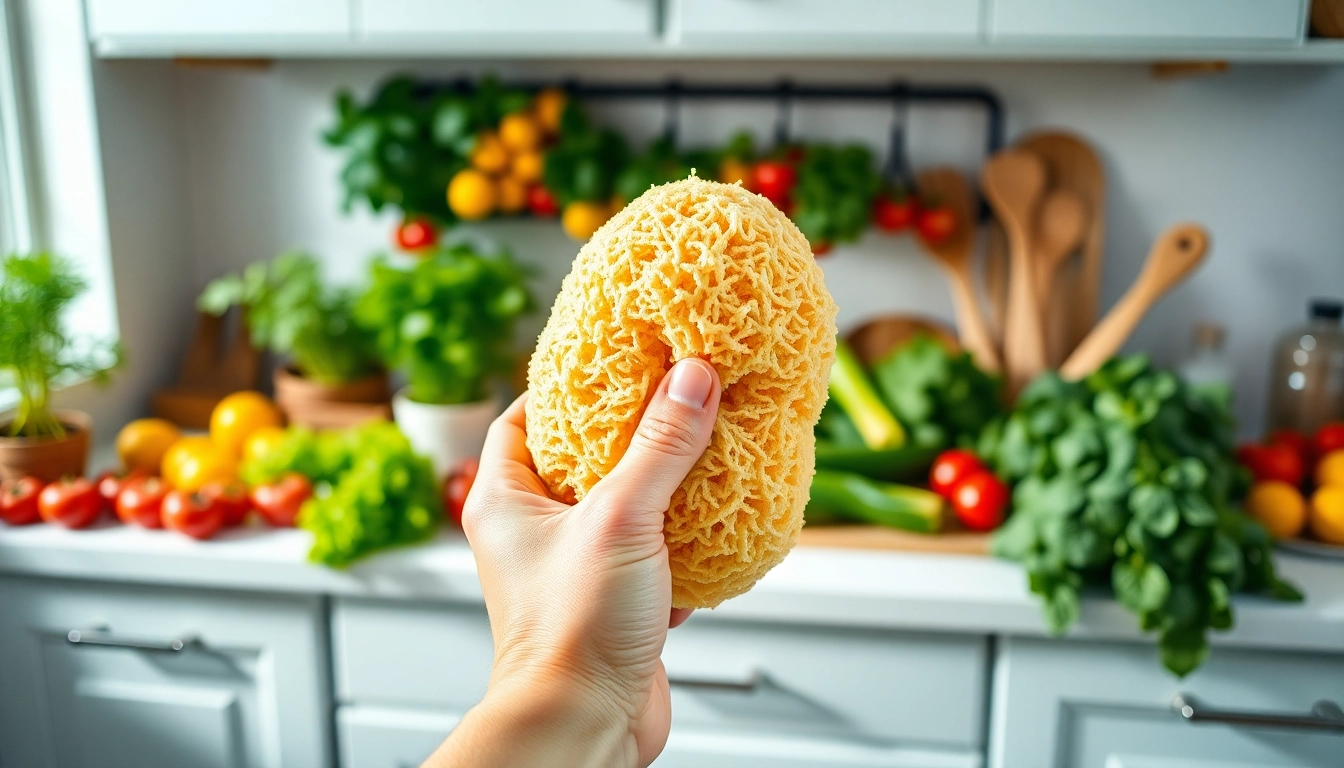
In today’s eco-conscious world, finding sustainable alternatives to everyday products is more than just a trend; it’s a necessity. One such product that has gained popularity is the kitchen loofah, an item revered for its multifunctional capabilities. Traditionally known as a natural sponge, this unique tool is derived from the fibrous interior of the luffa gourd. Utilizing a kitchen loofah benefits can enhance your cleaning routines while providing a range of health and environmental advantages.
Why Choose Natural Loofahs?
Natural loofahs offer numerous benefits compared to their synthetic counterparts. Grown sustainably, these loofahs are biodegradable and non-toxic. Unlike synthetic sponges, which can harbor bacteria and are made from petroleum-based materials, loofahs provide a safer and greener option for consumers. Additionally, they are compostable, making them an excellent choice for those looking to minimize waste.
Everyday Uses of Kitchen Loofahs
The versatility of kitchen loofahs is truly impressive. They can be used for scrubbing dishes, wiping countertops, and even cleaning fruits and vegetables. Their natural abrasive quality makes them effective in removing stubborn stains without scratching surfaces. Furthermore, loofahs can be rejuvenated by soaking them in hot water, allowing them to last longer than typical cleaning sponges.
How Kitchen Loofah Benefits Enhance Cooking
Improving Cleaning Efficiency
When it comes to kitchen cleaning, efficiency is paramount. Kitchen loofahs excel at providing thorough cleaning without requiring harsh chemicals. Their fibrous structure helps to trap debris and grease, ensuring a deep clean with minimal scrubbing effort. Users can also benefit from using loofahs alongside natural cleaning agents like vinegar or baking soda for even better results.
Promoting Food Safety
Food safety is a crucial concern in any kitchen. Kitchen loofahs are naturally antimicrobial, which reduces the risk of cross-contamination. Regularly replacing and properly maintaining your loofah will ensure optimal performance, preventing harmful bacteria from thriving in your cleaning tools. This is particularly important when washing produce or cleaning surfaces where food is prepared.
Reducing Waste in the Kitchen
The environmental footprint of sponges and other cleaning tools can be quite significant. By making the switch to natural kitchen loofahs, users can drastically reduce their plastic use, contributing to a more sustainable kitchen. Loofahs break down over time and can even be composted after use, making them an eco-friendly alternative that supports a circular economy.
Incorporating Kitchen Loofahs into Your Routine
Best Practices for Use
To maximize the benefits of your kitchen loofah, consider the following best practices: always rinse your loofah after use to remove food particles, store it in a dry place to prevent mold growth, and alternate between multiple loofahs to allow each to dry out completely. This ensures long-lasting effectiveness and hygiene.
Maintenance Tips for Longevity
Maintaining your kitchen loofah is crucial for its longevity. Regularly sanitizing your loofah in a mixture of vinegar and water can help eliminate bacteria and odors. Additionally, you can clean them by boiling in water or placing them on the top rack of the dishwasher. These steps significantly extend the life of your loofah, ensuring you get the most out of your investment.
DIY Kitchen Cleaning Solutions
If you wish to enhance the cleaning power of your kitchen loofah, consider creating DIY cleaning solutions. For instance, a simple mixture of water, vinegar, and essential oils can provide a powerful clean without the use of commercial chemicals. Using your loofah to apply these mixtures can lead to a sanitized kitchen environment that is safe for you and your family.
Comparative Analysis of Kitchen Cleaning Tools
Loofahs vs. Synthetic Sponges
A direct comparison between loofahs and synthetic sponges highlights a clear advantage for natural options. Loofahs do not harbor bacteria the same way synthetic sponges do, and they can effectively scrub surfaces without scratching. These properties lead to a healthier kitchen environment. Factoring in the sustainability aspect, loofahs far outweigh synthetic sponges in overall value.
Environmental Impact
The environmental impact of cleaning tools is often overlooked. Synthetic sponges can take hundreds of years to decompose, contributing to landfill waste. In contrast, kitchen loofahs, being plant-based, decompose naturally and support bio-diversity when composted. This makes them a thoughtful choice for eco-conscious consumers.
Cost-effectiveness Over Time
While the initial cost of loofahs may be slightly higher than that of synthetic sponges, their durability, and longevity often lead to better value over time. A well-maintained loofah can last for months, whereas synthetic options may need to be replaced every few weeks. As a result, switching to kitchen loofahs can be both a financial and ecological win.
Frequently Asked Questions About Kitchen Loofah Benefits
What is a kitchen loofah?
A kitchen loofah is a natural sponge made from the fibrous skeleton of the luffa gourd, used for cleaning and scrubbing various kitchen items.
Are loofahs antibacterial?
Kitchen loofahs are naturally antimicrobial, which helps to inhibit the growth of bacteria, making them safer than synthetic sponges.
How often should I replace my loofah?
It's advisable to replace your kitchen loofah every 4-6 weeks, depending on usage, to maintain optimal hygiene and effectiveness.
Can I wash my loofah in the dishwasher?
Yes, kitchen loofahs can be sanitized by placing them in the top rack of the dishwasher for a thorough clean without damage.
Are there any health benefits to using loofahs?
Besides being eco-friendly, using kitchen loofahs can enhance health by reducing exposure to harmful bacteria often found in synthetic sponges.