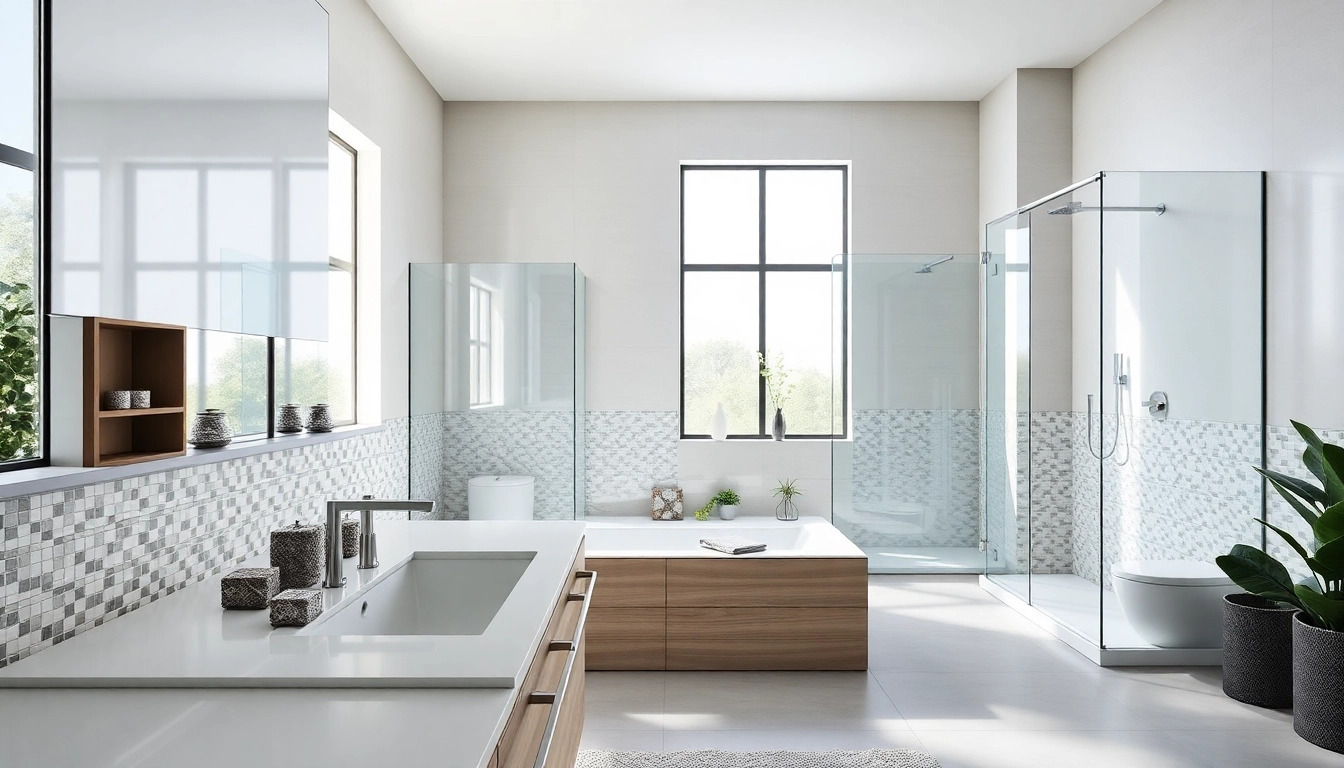

Understanding Flooring Options Near Me
Finding the right flooring can significantly impact the look and feel of your home. When seeking flooring near me, it’s essential to consider various flooring types and their characteristics to make an informed choice that suits your lifestyle and budget. This comprehensive guide explores the diverse options available and provides invaluable insights into making the best flooring decisions.
Types of Flooring: A Comparative Overview
Choosing the right flooring involves understanding the different types available, each offering distinct characteristics. Here’s a deep dive into some popular options:
- Hardwood Flooring: Timeless and elegant, hardwood flooring adds value and warmth to any space. It’s available in various species, colors, and finishes, making it adaptable to any interior style. However, it can be expensive and is susceptible to scratches and moisture damage.
- Laminate Flooring: Laminate mimics the appearance of wood or stone at a lower cost, making it a budget-friendly option. It’s easy to install, durable, and resistant to scratches but may lack the authenticity of real wood.
- Tile Flooring: Available in ceramic, porcelain, and natural stone, tile flooring is extremely durable and water-resistant, making it perfect for bathrooms and kitchens. However, it can be cold and hard underfoot.
- Carpet: Offering warmth and comfort, carpet is available in numerous colors and textures. It provides insulation and can reduce noise but requires regular maintenance to keep it fresh and clean.
- Luxury Vinyl Flooring: Combining aesthetics with practicality, luxury vinyl is resilient, easy to maintain, and available in an array of designs, often imitating natural materials. Its water-resistant properties make it suitable for various spaces, especially higher moisture areas.
Characteristics of Luxury Vinyl Flooring
Luxury vinyl flooring is an increasingly popular choice due to its exceptional features that cater to modern home needs. Key characteristics include:
- Water Resistance: Ideal for areas prone to spills or moisture, such as kitchens and bathrooms.
- Durability: Luxury vinyl is built to withstand heavy foot traffic and resist scratches, making it perfect for families and pets.
- Variety of Styles: With a vast selection of designs and textures, luxury vinyl can replicate the look of hardwood, stone, or tile.
- Comfort: Softer underfoot compared to traditional tile or stone, luxury vinyl provides a comfortable walking surface.
Benefits of Choosing Quality Flooring
Selecting high-quality flooring goes beyond aesthetics; it impacts the longevity and functionality of your home. Here are compelling benefits:
- Increased Property Value: Quality flooring can enhance the resale value of your property, appealing to potential buyers.
- Performance and Durability: Investing in good materials ensures that your flooring withstands daily wear and tear, reducing the need for frequent replacements.
- Enhanced Comfort and Aesthetics: Quality flooring improves the overall appearance of your home while offering comfort.
- Lower Maintenance Costs: Higher-grade materials often require less maintenance in the long run, saving you money and time.
Finding Flooring Near Me: Tips and Tricks
Once you understand your options, the next significant step is locating the right flooring suppliers. Here are effective strategies to aid your search:
Utilizing Online Resources for Local Searches
The internet is a powerful tool for finding flooring near you. Use search engines and local business directories to discover retailers and manufacturers. Keyword searches such as “flooring near me” combined with your specific needs (e.g., “luxury vinyl flooring”) can yield tailored results. Also, don’t forget to read reviews and testimonials to gauge customer experience.
Visiting Showrooms: What to Expect
Once you have a list of potential suppliers, visiting showrooms allows you to see and feel the flooring in person. You can expect an interactive experience where knowledgeable staff guide you through various products, answer questions, and potentially provide you samples. Pay attention to the atmosphere in the store as it can be indicative of the service you may receive.
Getting Accurate Estimates for Flooring Projects
Before making a decision, obtaining estimates is crucial. Reach out to a few retailers to get comparative pricing. Be specific about your needs (material type, area size, budget) to ensure the estimates reflect the correct project scope. Don’t forget to inquire about additional costs, such as installation and maintenance.
Choosing the Right Flooring for Your Space
Selecting flooring isn’t just about aesthetics; it’s also about functionality. Here’s how to choose the right type for your specific spaces:
Assessing Room Functionality and Style
Each room in your home serves a different purpose and will dictate your flooring choice. For instance, a living room may benefit from a warm hardwood, while a bathroom may require durable and water-resistant tile or vinyl. Consider not only the look but also how each flooring type will hold up to the activities and foot traffic in that space.
Durability Considerations for High Traffic Areas
Areas that experience high traffic need more resilient flooring options. Luxury vinyl flooring, for example, excels in such environments due to its scratch and water resistance. Similarly, tile can withstand heavy use but may be less comfortable. Assess the durability needs of each room before making a decision to ensure longevity.
Finishing Touches: Color and Texture Matching
Color and texture play a vital role in how well the flooring integrates with your overall decor. Coordinate flooring with existing furniture and wall colors for a cohesive look. Additionally, consider textures to create visual interest and enhance comfort underfoot—this is especially important in areas where you may go barefoot.
Installing Flooring: A Step-by-Step Guide
Successfully installing flooring can significantly affect its appearance and durability. Below is a structured approach to the installation process:
Diy Installation vs. Professional Help
Deciding whether to install flooring yourself or hire professionals depends on several factors, including your skill level and the complexity of the project. DIY installations can save money, but they require time, effort, and a basic understanding of the installation process. For complex jobs or high-quality installations, hiring professionals may be the best option to ensure a flawless result.
Essential Tools and Materials Needed
If you choose to embark on a DIY project, being equipped with the right tools and materials is crucial. Common tools needed for most installations include a measuring tape, utility knife, straight edge, hammer, and credit card or flooring roller for smoothing. Ensure you have all required materials, including underlayment, adhesive (if necessary), and the flooring itself.
Safety Tips During Installation
Safety should always be a priority during installation. Wear protective gear, such as gloves and knee pads. Ensure your workspace is clear, and be cautious with sharp tools. If unsure about any installation steps, consult a professional or seek advice from the flooring supplier to prevent injuries and costly mistakes.
Maintaining Flooring for Longevity
Proper maintenance extends the life of your flooring. Here are essential tips tailored for various flooring types:
Regular Cleaning Tips for Different Flooring Types
Stick to a consistent cleaning schedule that suits your flooring type. For hardwood, use a damp mop and specific cleaning solutions to avoid damaging the finish. Tile can be sanitized with a mixture of vinegar and water. Luxury vinyl can be maintained with regular sweeping and occasional mopping, using products recommended by the manufacturer.
Handling Repairs and Replacements
Promptly address any issues such as scratches or dents. For hardwood, refinishing can restore the surface, while replacement tiles might be needed for a damaged section of tile flooring. Luxury vinyl flooring is often designed for easy plank replacement without the need for full replacement.
Eco-Friendly Practices for Flooring Maintenance
Adopting eco-friendly cleaning practices involves using biodegradable products and minimizing water usage. Regular maintenance helps enhance the lifespan of your flooring, reducing the need for eventual replacements, which can positively impact the environment.
Frequently Asked Questions
What is the best type of flooring for high traffic areas?
Luxury vinyl and tile are excellent choices for high traffic areas due to their durability and resistance to wear.
How often should I clean my flooring?
Regular cleaning should be done weekly, with deep cleaning quarterly, depending on the flooring type and foot traffic.
Can I install luxury vinyl flooring myself?
Yes, luxury vinyl flooring can often be installed as a DIY project, especially if it has a click-lock installation method.
What are the eco-friendly options for flooring?
Bamboo, cork, and reclaimed hardwood are sustainable flooring options that also offer durability and aesthetics.
How do I choose the right color for my flooring?
Consider complementing your existing decor and the mood you want to create. Lighter shades make a room feel larger, while darker tones add warmth.