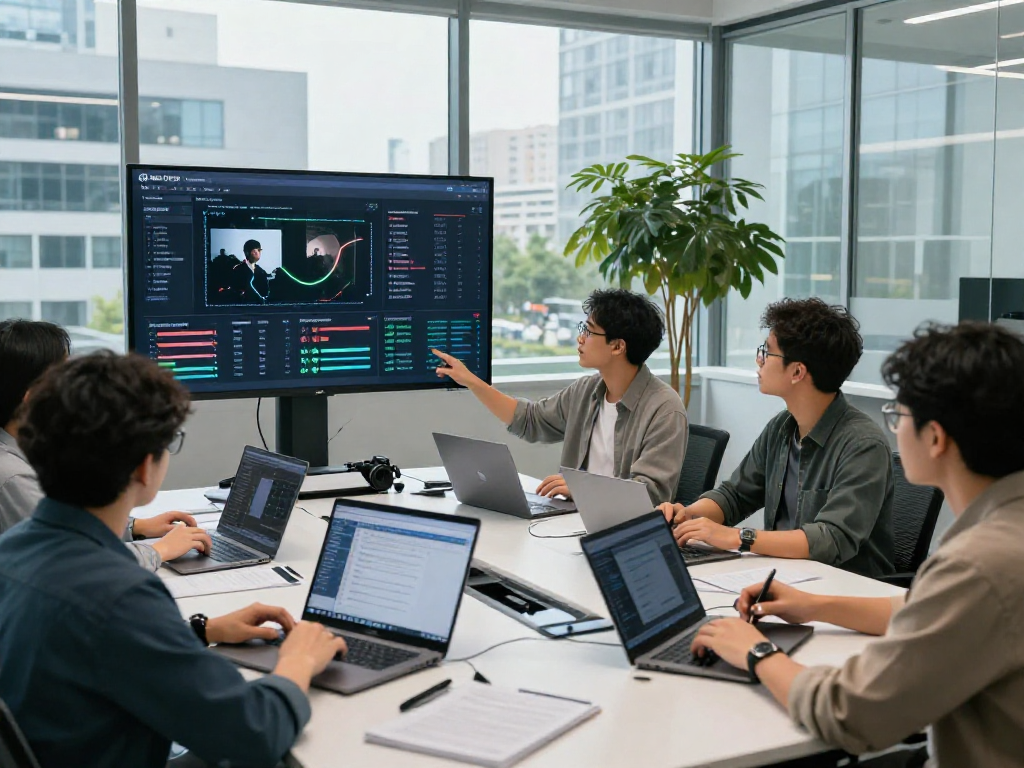
Understanding the Importance of AI Image Detectors
As digital content proliferates across platforms, the need for effective moderation becomes paramount. AI image detectors have emerged as revolutionary tools that enhance content moderation and ensure community safety. These advanced systems leverage machine learning algorithms to analyze images, videos, and text, providing real-time assessments that can significantly reduce the burden on human moderators. For businesses looking to maintain a secure environment, investing in an ai image detector is not just a strategic move but a necessity.
What is an AI Image Detector?
An AI image detector is a sophisticated tool designed to analyze visual content using artificial intelligence. It evaluates images and videos against a wide range of predefined categories—such as nudity, violence, and hate symbols—flagging inappropriate material swiftly and accurately. By harnessing models trained on extensive datasets, these detectors can distinguish between acceptable and harmful content, allowing platforms to enforce community standards effectively.
How AI Image Detectors Enhance Content Moderation
AI image detectors improve content moderation processes by automating the identification of harmful materials. This technology significantly cuts down on the manual review required, enabling companies to manage large volumes of content while maintaining high accuracy. The ability to process images in real-time means that potentially dangerous content can be flagged or filtered before it reaches the public eye, safeguarding users and protecting brand integrity.
The Role of AI Detectors in Community Safety
Community safety is a crucial aspect of any online platform. AI image detectors play a vital role in safeguarding users by providing a layer of protection from harmful content. Through continuous monitoring and analysis, these tools help to create a safer online environment, which is especially important for platforms frequented by vulnerable populations, such as children or individuals facing mental health challenges.
Core Features of Leading AI Image Detectors
Context-Aware Intelligence Explained
One of the standout features of advanced AI image detectors is context-aware intelligence. This capability allows the AI to analyze a picture's context—understanding that an image of a beach may contain nudity but is not inherently inappropriate. By distinguishing between benign and harmful images, these detectors minimize false positive rates, ensuring that legitimate content isn't mistakenly flagged or removed.
Customizable Moderation Rules for Unique Needs
Every business has its unique content moderation needs, which is where customizable moderation rules come into play. AI image detectors can be tailored to meet specific community standards, allowing businesses to set parameters that align with their brand values. This flexibility is crucial for organizations operating across diverse cultural contexts or industries.
Continuous Adaptation to New Threats
The digital landscape is constantly evolving, and so are the tactics employed by those creating harmful content. Leading AI image detectors are equipped with machine learning capabilities that enable them to evolve alongside emerging threats. As new forms of harmful material surface, these detectors learn and adjust, ensuring that businesses remain a step ahead in keeping their communities safe.
Implementing AI Image Detectors in Your Business
Steps to Integrate AI Technology into Your Platform
Integrating AI image detection technology into your platform involves several key steps. First, assess your specific needs and the types of content you anticipate moderating. Next, choose a provider that offers robust AI capabilities and ensure their technology aligns with your objectives. Finally, implement the system and continuously monitor its performance, making adjustments as necessary to optimize its effectiveness.
Best Practices for Effective Content Moderation
To maximize the benefits of AI image detectors, businesses should adopt several best practices:
- Regularly update moderation criteria based on community feedback.
- Provide transparency about moderation processes to users.
- Train human moderators to effectively use AI tools, combining technology and human insight for optimal results.
Measuring Success and Impact of AI Implementation
To evaluate the success of your AI image detector, establish key performance indicators (KPIs) that reflect your moderation goals. Metrics such as the accuracy rate of flagged content, user engagement levels, and the number of complaints regarding moderation decisions can provide valuable insights into the effectiveness of your system. Regularly reviewing these metrics will help you refine your approach and demonstrate the value of your investment to stakeholders.
Overcoming Common Challenges in AI-Based Content Moderation
Addressing User Concerns and Misconceptions
Even with advanced technology, user skepticism remains a challenge in AI content moderation. It’s important to address common concerns openly, such as fears about censorship or the potential for bias in AI algorithms. Providing educational resources that explain how the technology works and its benefits can help alleviate these worries and build trust within your community.
Tackling False Positives and Accuracy Issues
False positives can undermine user experience and lead to frustration. Leveraging context-aware intelligence helps mitigate this issue, but it’s also essential to provide avenues for users to appeal moderation decisions. Establishing a clear feedback mechanism can help identify patterns where the AI may need adjustment, thereby improving overall accuracy over time.
Balancing Automation with Human Oversight
While AI image detectors significantly reduce the workload for human moderators, a fully automated approach can be problematic. Balancing automation with human oversight allows for nuanced understanding and decision-making, particularly in complex cases that require empathy or contextual knowledge. This hybrid approach ensures that moderation remains effective and sensitive to user needs.
Future Developments in AI Content Moderation Technologies
Emerging Trends for 2026 and Beyond
As we look towards 2026, several trends are likely to shape the future of AI content moderation. One anticipated development is the integration of advancing natural language processing capabilities, allowing for better analysis of accompanying text in images and videos. Another trend is the increased use of real-time data analytics to fine-tune moderation strategies dynamically.
The Expanding Role of AI in Image and Video Analysis
The role of AI in image and video analysis is expanding beyond mere detection. Future AI detectors will likely incorporate features that assist in understanding the emotions conveyed in multimedia content, providing deeper insights into the nature of interactions occurring on platforms. This could revolutionize how businesses engage with their communities.
Predictions for AI Detector Evolution
Looking ahead, AI detectors will evolve to provide not just analysis but actionable insights. Predictive analytics could help platforms preemptively manage crises by identifying content trends before they escalate. This would allow businesses to maintain a proactive stance in their moderation efforts, securing trust and safety within their communities.
What industries benefit most from AI image detectors?
Several industries can significantly benefit from AI image detectors, particularly those that prioritize user safety and community standards. Social media platforms, e-commerce sites, and online forums are prime examples where effective content moderation is essential. Furthermore, educational institutions and mental health organizations can leverage these tools to filter harmful content that may affect their audiences.
How does the AI image detector reduce false negatives?
To reduce false negatives, AI image detectors use advanced machine learning algorithms that are trained on diverse datasets. Regular updates and continuous learning allow these systems to improve their accuracy over time, ensuring that harmful content is less likely to slip through the cracks. Contextual understanding plays a critical role in this process, allowing the AI to assess images more effectively.
Can AI image detectors be customized for specific needs?
Yes, AI image detectors can be highly customizable. Companies can configure moderation rules based on specific community guidelines and industry requirements. This customization ensures that the AI detector aligns with the unique values of the business and offers the flexibility needed to adapt to various content types and cultural contexts.
What are the cost implications of implementing an AI image detector?
While the initial investment in AI technology may seem substantial, the long-term benefits can outweigh the costs. Implementing an AI image detector can reduce the manpower needed for content moderation, decrease the risk of reputational damage from harmful content, and enhance user trust—ultimately translating to higher user retention and engagement rates.
How do AI image detectors handle evolving content types?
AI image detectors are designed to adapt to evolving content types through machine learning capabilities. These systems analyze patterns and emerging trends within content, allowing them to learn and adjust their parameters accordingly. Regular updates ensure that they remain effective against new challenges and threats in the ever-changing digital landscape.